
90 mins
1950s American Society and Conformity
How did the presence of Latin American artists challenge the image of 1950s American society seen in popular media?
Essential Question
How did the presence of Latin American artists challenge the image of 1950s American society seen in popular media?
Objectives
Know (knowledge):
- 1950s American society in terms of post-war life, the Red Scare, and Conformity
- How 1950s American society was portrayed in popular television shows
- The role television played in 1950s American society
- How Latin American artists challenged the image of 1950s American society seen in popular television shows
Mastery Objective
- Students will be able to identify how artists Desi Arnaz, Ritchie Valens, and Rita Moreno presented a version of 1950s American society that was often erased in pop culture through the analysis of artist bios, images, television clips, and music.
Background
In this lesson, students will explore popular 1950s television shows and films to examine how Cuban, Mexican, and Puerto Rican artists challenged the ideas of American society seen in that media. Students will then consider how more contemporary television shows and series represent current society, and compare it to television today as well as television in the 1950s to understand how society has changed over time.
Society in 1950s America was shaped by several different factors. One major component was the post World War II economic boom that brought America into a time of prosperity. Another was the uptick in population due to the baby boom that happened post war because Americans felt optimistic that the worst days were behind them.
The rise of the white middle class and suburbs also defined the 1950s. White families were moving out of the cities to the first suburban community started by William Levitt in Levittown, New York. Construction of these communities spread across the country and suburban life became part of American society. Black Americans faced discrimination when trying to purchase homes in the suburbs and were denied access to the same opportunities. The white middle class now had disposable income and more leisure time to watch television, which also played a role in American society during this decade.
The Second Red Scare as the Cold War began also had an impact on life during the 1950s. U.S. Senator Joseph McCarthy led the hunt for communists along with the House Un-American Activities Committee. It was a time of fear and paranoia of communists and the Soviet Union at the height of Cold War tensions. Government employees, Hollywood, and other industries were questioned and investigated with little evidence. Americans did not want to be accused of being a communist due to the risk of losing their job and being blacklisted as well as possible legal consequences. Therefore Americans did not stray too far from societal norms of the time.
America in the 1950s is often viewed with nostalgia, a decade that was wholesome, prosperous, and a society at its peak. However, this is not an accurate portrayal of all of American society during the time period. The rise of the middle class and economic growth mostly reached white communities. Jim Crow segregation was still widespread in America and people of color faced discrimination in many aspects of society. Civil liberties and political expression were also suppressed during this time due to McCarthyism.
This nostalgic view of the 1950s can be seen in a majority of television shows during the decade. The TV families that audiences saw were white with a working husband, a home-maker wife, and two to three children. One of the most popular live music shows on television, American Bandstand also had a majority of white performers and allowed only white dancers that followed a strict dress code onto the show.
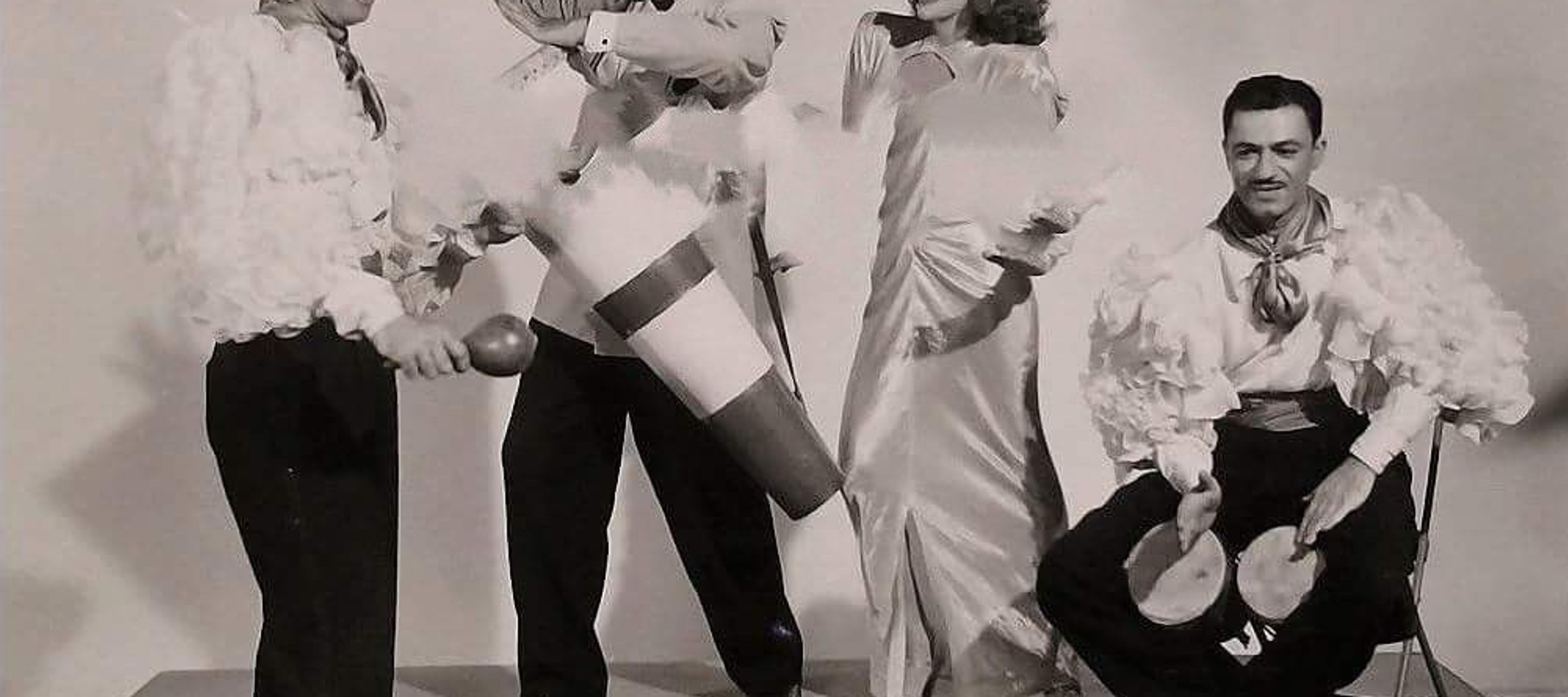
There were acts of rebellion to break through the conformity seen in 1950s television. Desi Arnaz was a real life Cuban band leader who played the same role in I Love Lucy as Ricky Ricardo. Arnaz brought Cuban culture and music into the living rooms of Americans every week, and demonstrated a contrast to the white “nuclear family” seen in most 1950s television shows. From California, Mexican American Ritchie Valens was one of the few people of color to perform on American Bandstand in the 1950s. Valens brought Americans “La Bamba” - and influenced Rock and Roll in his short career before his death at the age of 17. Rita Moreno, who is best known for her portrayal of Anita in West Side Story in 1961, also challenged the conformity seen in the 1950s as a Puerto Rican woman pursuing a career outside home. In the 1950s, Moreno faced discrimination in the film industry as she was only cast into stereotypical ethnic roles. Despite this discrimination, she persevered being one of only 18 people who have received an EGOT (Emmy, Grammy, Oscar, and Tony) and is an inspiration to Latin American artists today.
The presence of Arnaz, Valens, and Moreno in television and film represent small fractures in the society of the 1950s that was seen on television. They challenged the idea of 1950s society portrayed in television as a whole through the use of culture and music.
Connected Themes
Artist(s)
Topics
Decade/Era
Monthly Theme