
90 mins
A Veteran’s Soundtrack to the Vietnam War
How did popular music amplify the voices and experiences of Americans serving in the United States Armed Forces during the Vietnam War?
Essential Question
How did popular music amplify the voices and experiences of Americans serving in the United States Armed Forces during the Vietnam War?
Objectives
Know:
- The diverse experiences and perspectives of American Vietnam War veterans
- How popular music connected Americans serving in Vietnam to life back home in the U.S.
- Particular songs that informed and represented the experience of Americans serving in the armed forces during the Vietnam War, and their life afterward in the U.S. as veterans
- How polarization toward the war affected U.S. service people in Vietnam, as it did American society in the U.S.
Mastery Objective
- Students will be able to gain a deeper awareness of the experiences and perspectives of Vietnam War veterans by exploring first-hand accounts, music, song lyrics, and video clips.
Background
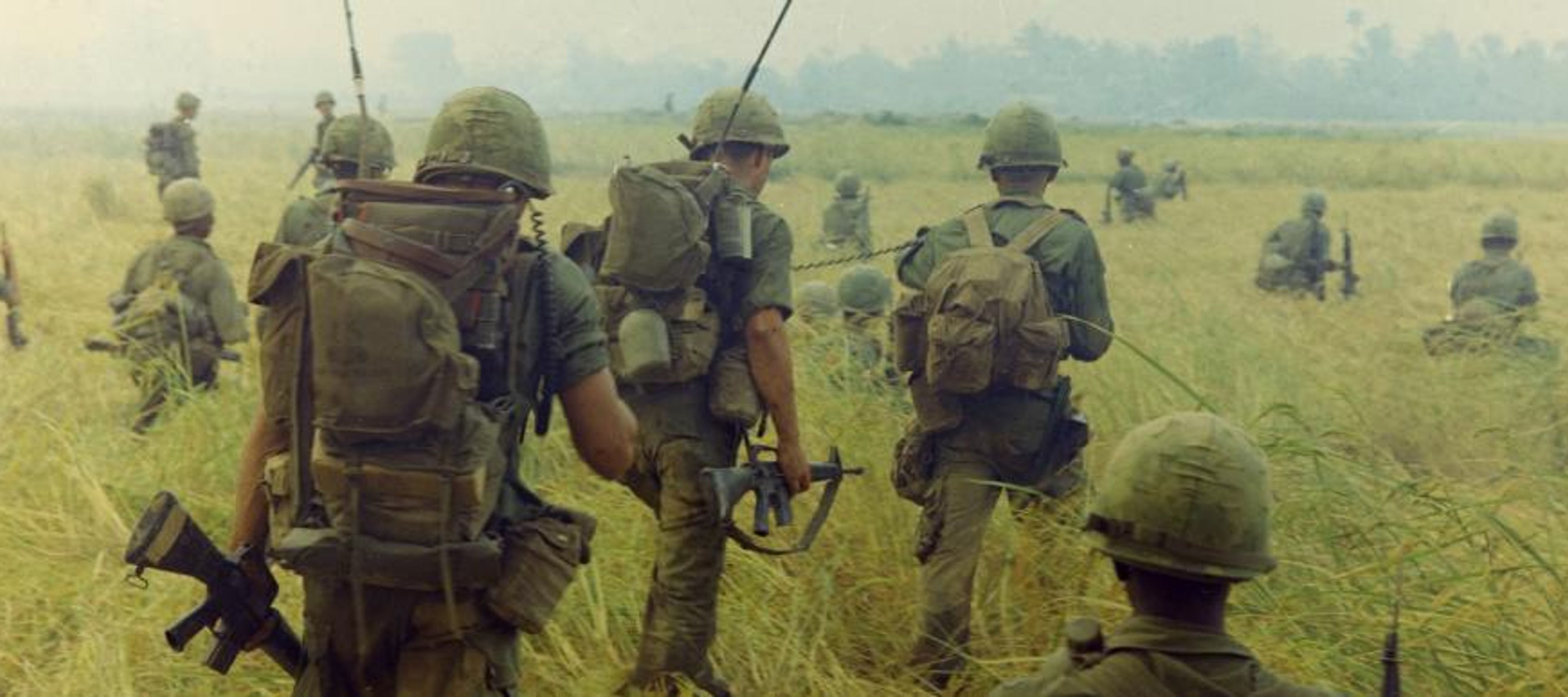
In this lesson, students will learn how a number of songs released during and after the Vietnam War articulated the experiences of Americans who served in the United States Armed Forces during the war. Students will analyze popular songs that have resonated with veterans, and many other Americans, since the time they were released. While analyzing the songs, students will examine newspaper editorials, first-hand accounts, and personal reflections from Vietnam veterans. Finally, students will watch clips from the CNN Soundtracks series to provide additional context and information to inform their discussion and activities.
According to the United States Department of Veterans Affairs, between 1964 and 1973, nearly nine million Americans served in the U.S. Armed Forces during the Vietnam War. About 3.5 million men and women were deployed to Southeast Asia where hostilities took place. 58,200 American armed service members died while serving in the war, and of those, 40,934 are classified as “Killed in Action,” with an additional several thousand dying from wounds and illness during the time of the war. Many of those who survived their service in Southeast Asia and returned home to the U.S. were traumatized by the experience in a variety of ways. Today, it is estimated that 400 American Vietnam War veterans die each day.
The Vietnam War reflected, and in many ways defined, one of the most turbulent time periods in U.S. history. The war caused deep divisions within American society. The split was often represented as a binary conflict between anti-war and pro-war citizens at home, characterized respectively as “doves” and “hawks.” The public discord and voices within those movements was covered extensively by the U.S. media at home. However, the feelings and opinions American service members overseas had towards the war, either of protest, approval, or somewhere in between, were often muted or unheard. Soon popular music provided a voice for soldiers and other service men and women, and a message that expressed how they felt.
During the Vietnam War, popular songs provided a cultural connection for those serving overseas to what was being heard back home in the U.S., and certain songs represented the messages and movements of the “doves” and “hawks.” The popularity of these tunes in and around the battlefield in Vietnam allowed the voice and experience of armed service personnel to be amplified and illuminated. Whether it was the patriotic anthem, “The Ballad of the Green Berets,” by Staff Sergeant Barry Sadler, or the disillusioned plea of “We Gotta Get Out of This Place” by the Animals, songs evoked a variety of emotions and opinions.
In the years since the war ended, songs like Bruce Springsteen’s “Born in the U.S.A.” have sought to reflect the complicated experience of the Vietnam War veteran after they returned home. Decades now removed from this era, select songs are considered a cultural component of that time period. As a powerful soundtrack, the songs inform the story of how the nation, and in particular the veteran, experienced the war, and its aftermath.
Disclaimers
Note: this lesson contains words and imagery that may be considered disturbing or offensive. Teacher discretion advised.
Connected Themes
Topics
Decade/Era
Monthly Theme