
90 mins
Art, Music, and the AIDS Epidemic
How did the LGTBQ+ community creatively respond to the AIDS crisis in the 1980s and 1990s, and protest government inaction in addressing the epidemic?
Essential Question
How did the LGTBQ+ community creatively respond to the AIDS crisis in the 1980s and 1990s, and protest government inaction in addressing the epidemic?
Objectives
Know (knowledge):
- The biological characteristics of HIV and AIDS
- The history of the AIDS crisis in the 1980s and 1990s
- How the Reagan and Bush administration responded to the AIDS crisis, and criticisms of their response
- How the LGTBQ+ community used music and visual art to address the AIDS crisis
- The current state of the AIDS/HIV epidemic
Mastery Objective:
- Students will be able to consider the medical, social, scientific, political, and cultural significance of the AIDS epidemic in the 1980s and 1990s by examining statistics, timelines, and primary source documents, in addition to the music and art of the period.
Background
On June 5, 1981, the Center for Disease Control (CDC) published a report detailing the cases of five previously healthy young men in Los Angeles who had contracted the rare lung infection Pneumocystis carinii, in addition to a variety of other unusual infections. That same day, a dermatologist in New York reported an increased prevalence of Kaposi’s Sarcoma, another extremely rare ailment, in New York and California. After the CDC’s report was picked up by the mainstream press, the agency was inundated by reports of similar cases nationwide, each detailing rare diseases brought on by greatly weakened immune systems. The following year, the CDC gave this emerging symptom a name: Acquired Immune Deficiency Syndrome, or, as it became most widely known, AIDS. In 1983, the retrovirus that causes the condition was discovered, and a few years later it was termed human immunodeficiency virus, or HIV. By the time HIV was identified, over 1,450 cases of AIDS had been reported, and 558 individuals had died.
HIV is transferred through blood, semen, pre-seminal fluids, amniotic fluid, vaginal fluids, and breast milk. The virus takes over and replicates infected CD4 t-cells, an integral component of the body’s immune system. With a weakened immune system, people living with HIV are susceptible to infections that healthy people rarely contract--a symptom known as AIDS. Today, there is no cure for AIDS, but with proper medical treatment, HIV can be suppressed to the point that the immune system can operate normally.
HIV doesn’t discriminate. But because the condition happened to have first affected gay men in the United States, it was quickly stigmatized. Mainstream newspapers initially began describing AIDS as “gay cancer,” and for the first few years of the epidemic, the condition was largely ignored--even laughed off--by decisionmakers and people in power. Because the infection was sexually transmitted, and because it initially affected gay men, it was quickly painted by politicians like Pat Buchanan as a punishment for sin and “unnatural” proclivities. This stigmatization provided further cause for the Reagan administration, already opposed to increases in domestic spending, to limit funding for research.
Meanwhile, the epidemic was devastating the LGBTQ+ community. As Village People member Felipe Rose expressed in the Stonewall episode of Soundtracks, “I couldn’t speak, physically speak, because I had so many friends passing away.” In the same episode, activist David Mixner noted he lost 300 friends in a single decade.
In the face of so much indifference at the governmental level, many in the LGBTQ+ community turned to music and art as a means of communal solidarity and political advocacy. Discos became sites of resistance both to AIDS and its stigmatization, a place where the marginalized LGBTQ+ community could feel alive in the face of the epidemic through the collective joy of dancing to songs such as Gloria Gaynor’s “I Will Survive.”
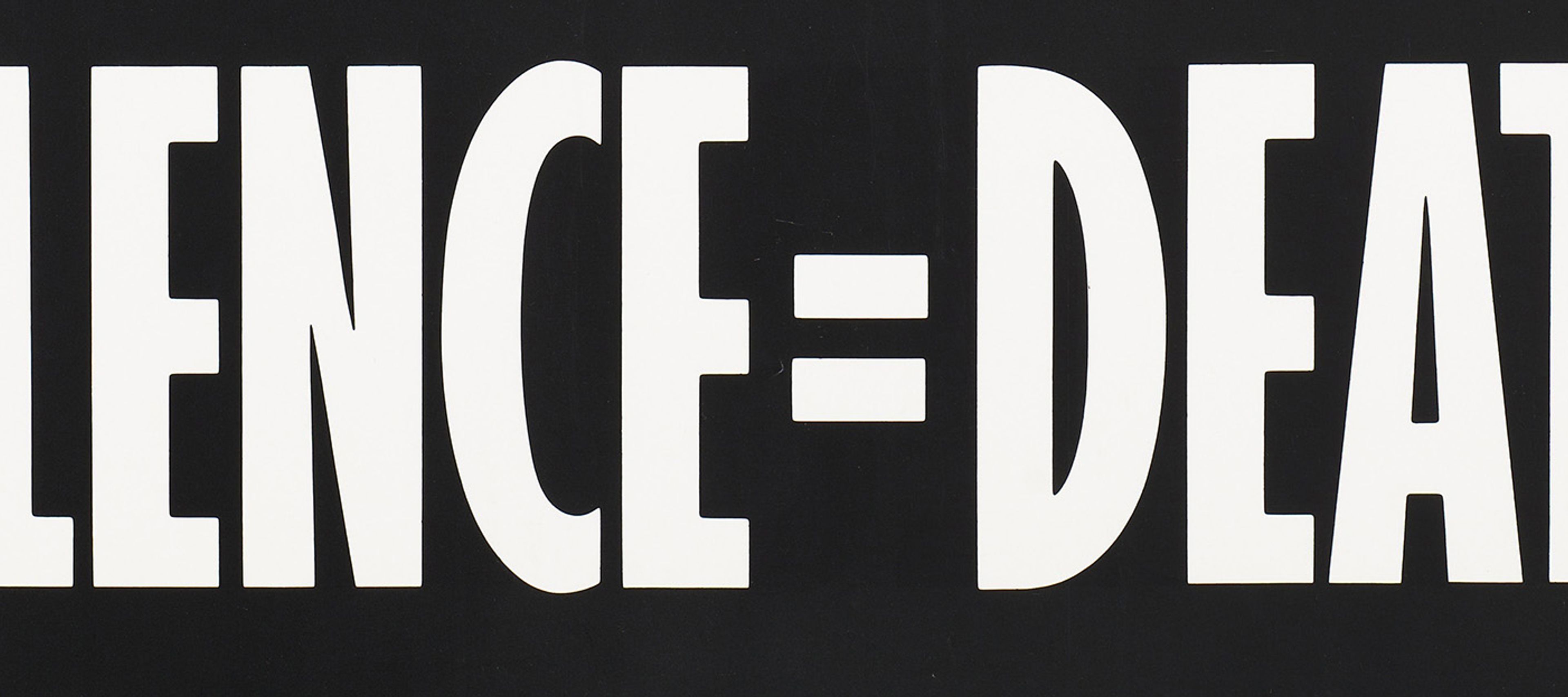
Art became a form of resistance and a way to express anger towards the government’s neglect of the ongoing AIDS crisis. Many artists also became activists, participating in demonstrations, and using their work to condemn those in government, educate the public about HIV/AIDS, and memorialize those they lost to AIDS-related complications. Some artists would unfortunately pass from the illness.
In this lesson, students examine the first decade of the AIDS epidemic from a variety of vantage points: from the scientists who worked to discover the cause of the epidemic to the public health officials who developed methods of treatment to the activists who demanded that the nation pay attention. Then, students examine how the LGBTQ+ community responded to the epidemic through music and art by watching clips from CNN Soundtracks and conducting a gallery walk featuring artists whose lives were directly impacted by the AIDS crisis.
Disclaimers
Warning: This lesson contains some imagery people may find disturbing. Teacher discretion advised.
Connected Themes
Artist(s)
Genre(s)
Monthly Theme