
90 mins
Black Radio and the Civil Rights Movement
How did Black radio empower Black Americans, aid the Civil Rights Movement, and influence U.S. society?
Essential Question
How did Black radio empower Black Americans, aid the Civil Rights Movement, and influence U.S. society?
Objectives
Know (knowledge):
- The connection between Black radio stations and the Civil Rights Movement
- The pioneering role of Black radio stations in Memphis, Atlanta, and the southern United States
- The history of creating radio programming for Black audiences
- Important figures in the history of Black radio and the Civil Rights Movement
- Important people, groups, and events in ending racial segregation in the United States
Mastery Objective
- Students will be able to explain the history of Black radio, articulate its connection to the Civil Rights Movement, and describe how media can influence U.S. society by analyzing images, viewing videos, and discussing terms.
Background
In this lesson, students will investigate radio’s connection to the Civil Rights Movement by identifying important figures and stations in the history of Black radio and examining how Black radio aided in social progress.
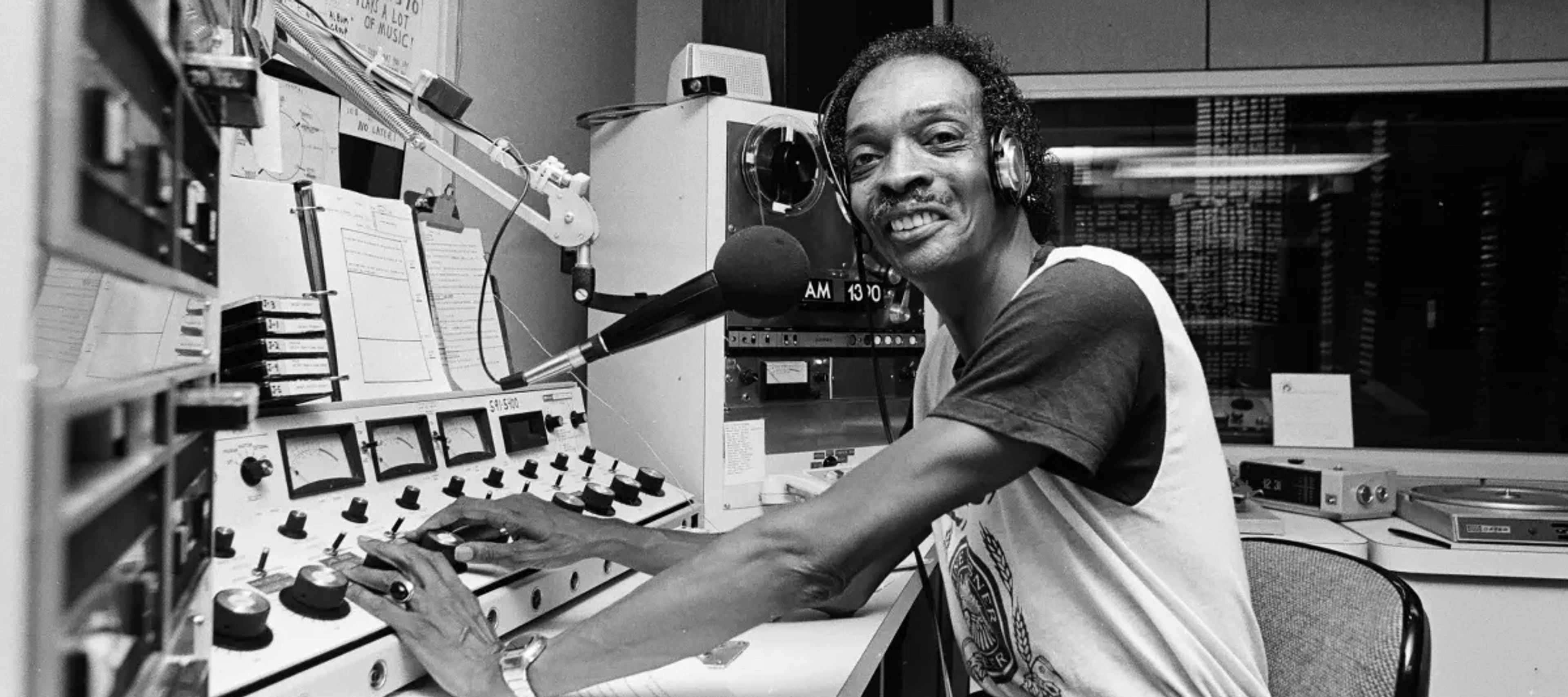
In October 1948, the radio station WDIA in Memphis, Tennessee hired Nat D. Williams to host an afternoon show marketed towards Memphis’ Black community. Williams was a school teacher, columnist, and beloved local leader who is now recognized by many to be the first publicly known Black on-air radio personality in the segregated South. The show he hosted, Tan Town Jubilee, was a pioneering American radio program and it was the first to be designed specifically for a Black audience. Williams’ work would prove to be profoundly influential locally, nationally, and historically. In the following years, WDIA would become the number one station in Memphis after transitioning to an all-Black programming radio station. Its 50,000 watts of broadcasting power is estimated to have reached 10 percent of America’s total Black population.
The decision to initially hire Williams was not rooted in the pursuit of empowering Black Americans, it was a business decision born out of impending bankruptcy. WDIA’s white owners chose to develop programming for Memphis’ Black community due to the fact that it was a large but ignored demographic in the local radio market and WDIA was floundering with a low market share. The change made all the difference. As the station introduced more Black programming, WDIA became a valued community resource for Black listeners in Memphis and beyond its city limits. Black leaders in other southern cities took note and began making plans to build on WDIA’s achievement.
Heeding the NAACP’s work to end segregation in broadcast radio and recognizing the success at WDIA, Jesse B. Blayton, Sr. established the all-Black formatted radio station WERD in Atlanta, Georgia in 1949. A Black American, Blayton was a bank president and university professor who purchased the station for $50,000. In doing so, WERD became the first Black-owned and operated radio station in the United States. WERD was located in the Prince Hall Masonic Grand Lodge building in downtown Atlanta. In the building at the same time were the headquarters for the Southern Christian Leadership Conference (SCLC). The SCLC was an advocacy organization founded by Rev. Dr. Martin Luther King Jr. and other Civil Rights activists. WERD would aid the SCLC in its social justice efforts by broadcasting SCLC announcements about upcoming meetings and events. The partnership provided beneficial media power to the ongoing Civil Rights Movement and Black radio stations around the country played a similar role.
Black radio stations proved to be vital to the Civil Rights Movement. By 1960, the location of stations and the strength of their broadcast signal correlated with increased rates of Black voter registration throughout the South - a core goal of the movement that transformed American society. Black radio served as both a town hall-like space and a powerful source of empowerment for Black Americans, and it continues to do so today. Black radio has endured beyond its historic contribution to social progress. In fact, it has been a leader in the evolution of broadcast radio by directly influencing the formatting, programming, and personalities that we hear on the radio, and other media formats, everyday.
Connected Themes
Decade/Era
Monthly Theme