
90 mins
The Music and Poetry Behind the Red Power Movement
What was the Red Power movement, and what role did Folk and Country music play within it?
Essential Question
What was the Red Power movement, and what role did Folk and Country music play within it?
Objectives
Know (knowledge):
- The development of the Greenwich Village folk scene in the 1960s
- The role of Buffy St. Marie, Peter La Farge, and Johnny Cash as advocates for Native American rights
- The Alcatraz occupation, the Mount Rushmore occupation, the Trail of Broken Treaties, and other key events in the Red Power movement in the 1960s and 1970s
- The conflict between the Red Power movement and the Federal Government, particularly the FBI
- The role folk music plays in social movements
- Dennis Banks as an important historical figure
- The poetry of John Trudell and Ishmael Hope
Mastery Objective:
- Through analysis of video clips and historical documents, students will be able to recognize how Native Americans participated in the social movements of the 1960s and 1970s.
Background
In this lesson, students are introduced to the activist music of Buffy Sainte-Marie, Peter La Farge, and Johnny Cash, as well as the Native American Red Power movement of the 1960s and 1970s. By analyzing clips from RUMBLE: The Indians Who Rocked The World and examining historical documents, students will gain a deeper understanding of the history of Native American social movements, their tactics, the Federal Government's response to the movement, and the ways music might have contributed to their goals. Students also draw connections between the poetry of John Trudell and Ishmael Hope and the motivations and ideas behind the Red Power Movement.
When 21-year old college graduate Buffy Sainte-Marie arrived to Greenwich Village in 1962, the neighborhood was already a hotbed of socially-aware folk music. Village regulars like Pete Seeger, Joan Baez, Bob Dylan, and Phil Ochs were at the forefront of a national movement that mixed political activism with music, reviving protest songs of the past and penning new ones for the present. Sainte-Marie’s songwriting quickly caught the attention of Peter La Farge, a fellow folk musician and Greenwich Village mainstay. The son of anthropologist and Native American advocate Oliver La Farge, Peter shared with Sainte-Marie a passion for bringing to light the historic tragedies and the contemporary injustices Native Americans experienced. La Farge supported Sainte-Marie, writing praises for her in Folk publications and inviting her to musical events he organized.
That same year, La Farge and Sainte-Marie’s musical advocacy gained a perhaps unlikely ally: country music superstar Johnny Cash. Following his 1962 debut performance at Carnegie Hall, Cash and friend Ed McCurdy decided to spend the remainder of the evening at Greenwich Village’s Gaslight Cafe. There, Cash first saw La Farge perform. The two became friends, and Cash embraced the Native American issues La Farge and Sainte-Marie advocated in their music. When it came time to record a new album, Cash created Bitter Tears: Ballads of the American Indian, an album comprised largely of songs written by La Farge about the plight of Native Americans. Aided by Cash’s national celebrity, the message of Sainte-Marie, and particularly La Farge, was spread beyond the confines of Greenwich Village and the countercultural movement.
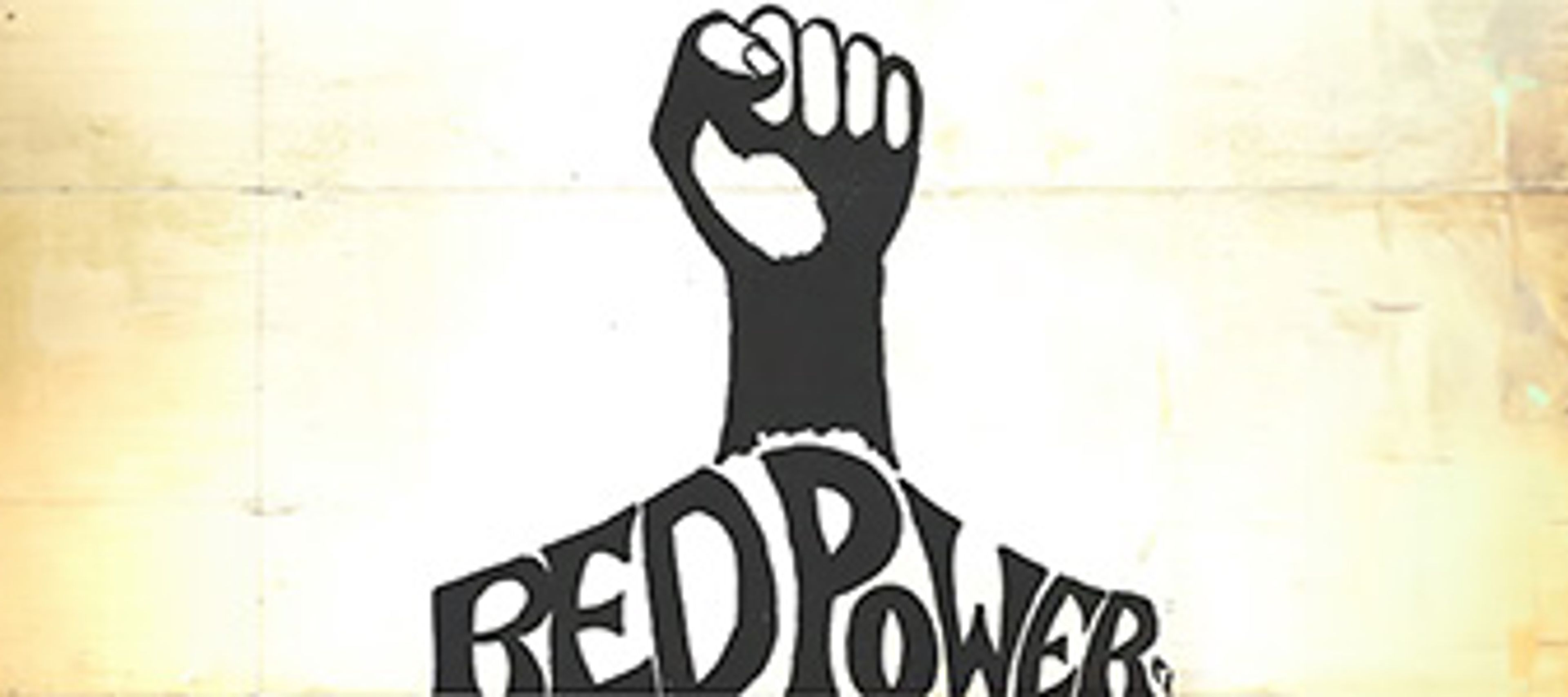
Sainte-Marie, La Farge, and Cash were part of a growing “Red Power” movement that advocated for Native American causes. In 1961, for instance, a collection of Native American college students and young people in Chicago established The National Indian Youth Council, with the goal to foster solidarity across tribes and fight for land and resource rights. In 1968, a group of disenfranchised urban Native Americans in Minnesota founded the American Indian Movement (AIM) to protest ongoing relocation and termination programs that were affecting reservations. Based in San Francisco, the United Native Americans (U.N.A) began advocating for better schools and hospitals in reservations that same year. Collectively, these groups staged a wide range of protests, including the occupation of Mt. Rushmore, Alcatraz Island, Wounded Knee, and the Bureau of Indian Affairs office in Washington, D.C.
These Native American organizations, like so many other activist groups of the era, were viewed with distrust and even stymied by many in the government. The FBI's notorious Counterintelligence Program was tasked with disrupting “subversive” organizations such as AIM and U.N.A., a project it enacted through espionage, character assassination, infiltration, harassment, psychological warfare, and, at times, direct violence. Many Native leaders and individuals were harassed and even arrested on questionable charges, and their organizations struggled. Sainte-Marie, La Farge, and Cash were viewed as “subversive” as well, and the FBI pressured DJs and others in the music industry to attempt to suppress their pro-Native music.