
90 mins
Business with the Grateful Dead
How did the Grateful Dead’s business practices create a dedicated fan culture and ensure the financial success of the group?
Essential Question
How did the Grateful Dead’s business practices create a dedicated fan culture and ensure the financial success of the group?
Objectives
Know (knowledge):
- How the Grateful Dead created a successful business model through their approach to live events, recording, and trademarking logos.
Mastery Objective:
- Students will develop strategies for successful band management by investigating the Grateful Dead’s business model as a case study.
Background
In this lesson, students discover some of the steps the Grateful Dead took to develop a robust and dedicated fanbase and maintain financial success.
In the 1960’s, popular American music transcended its limited role as mere entertainment to become an integral part of American identity. No longer merely fodder for variety television shows or FM/AM radio dials, music in the 1960’s became a proxy for cultural identity amongst the changing landscapes of contemporary values and ideals. Music was not merely a passive activity to observe - it demanded active engagement and informed how people lived their lives, formed their communities, and found their place in society.
Perhaps no band in the history of American Rock and Roll developed a more tight-knit community of fans than the Grateful Dead. The band formed in the 1960’s Bay Area - the epicenter of the burgeoning counter-cultural movement. The Bohemian neighborhood bestowed a sense of experimentation and spirituality to the band’s early development, and they developed a unique sound and repertoire that attracted fans eager to divorce themselves from the restraints of modern society. The combination of this counter-cultural zeitgeist and the band’s relentless touring and performing schedule created a massive fanbase for the Grateful Dead that ultimately gave birth to an entirely unique American identity: the Deadhead.
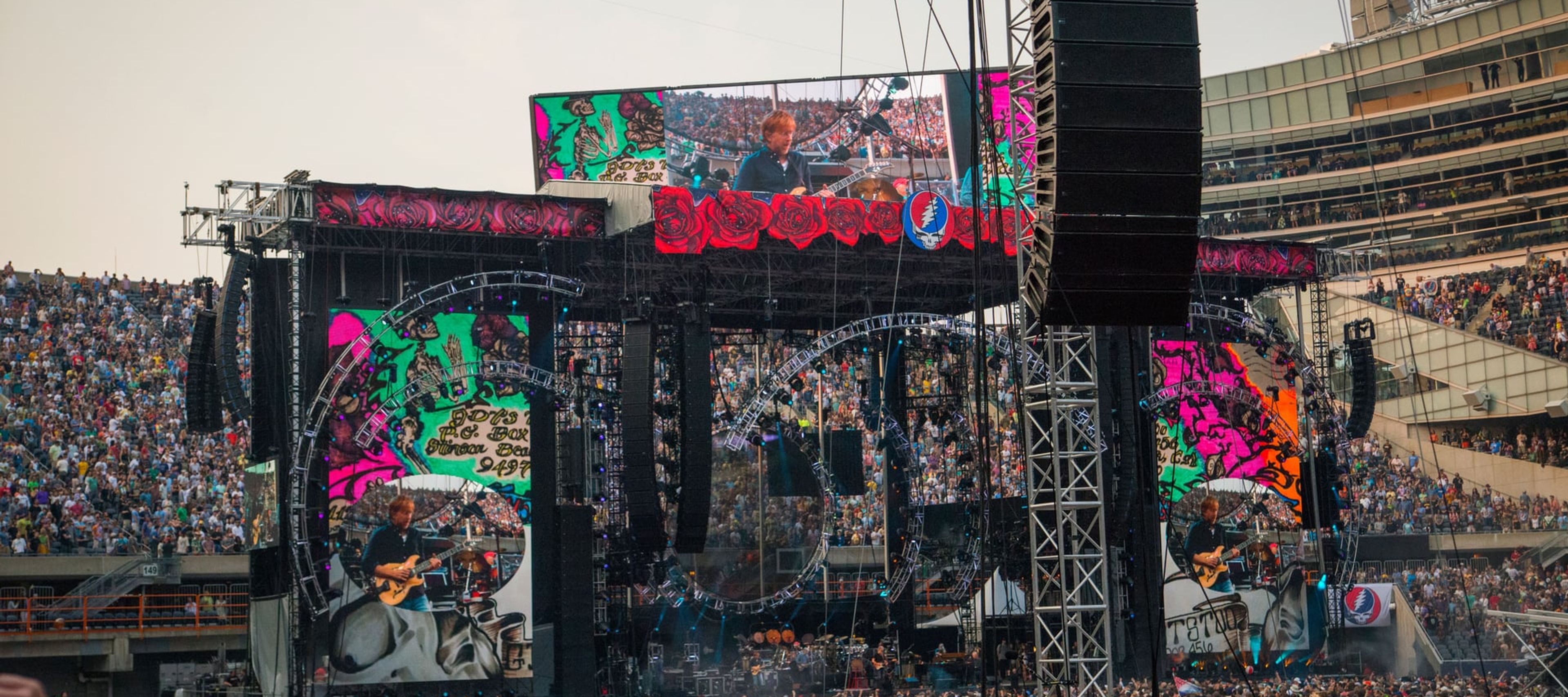
Whether consciously or unconsciously, the Grateful Dead’s musical and business decisions helped cultivate this large and dedicated fanbase. Rather than focusing on studio recordings, the Grateful Dead sought to provide live experiences for its fans. The improvisational nature of Grateful Dead shows promised a unique experience each night, beckoning the fans attention at every turn. Deadheads saw the band as conduits of spiritual energy, channeling a higher power through the medium of improvisational jamming. Each show’s unique performance provided more material to study, more lore to build the holy scriptures, and more clues to deciphering the cosmic meaning of the Grateful Dead’s message. For their part, the band fostered this culture, allowing their shows to be recorded and shared widely, and ensuring that their concerts were accessible to all, either by providing some for free or even hiring sign language interpreters for hearing-impared fans.
The Grateful Dead established a fan culture that paved the way for a robustly successful business model based on years of steady product generation. Whether through live concerts, studio records, live performance records or merchandise, the Grateful Dead constantly released and promoted a stream of material for generations of eager fans to consume. Through decades of innovative engagement with their fans, the Grateful Dead imbued their products with a sense of purpose, quality and importance that demanded their fans attention.