
90 mins
Chicana Punk and the Chicano Movement
What is Chicana Punk, how does it relate to the Chicano Movement, and how did it transform the Punk music scene?
Essential Question
What is Chicana Punk, how does it relate to the Chicano Movement, and how did it transform the Punk music scene?
Objectives
Know (knowledge):
- The careers, musical work, and activism of Chicana Punk musicians Alice Bag and Teresa Covarrubias
- The connections between Chicana Punk and the Chicano Movement
- Terms related to the sociopolitical activism promoted by Chicana Punk musicians Alice Bag and Teresa Covarrubias
Mastery Objective
- Students will be able to explain the pioneering careers and influential work of Chicana Punk musicians Alice Bag and Teresa Covarrubias by viewing video clips, analyzing images and quotes, and investigating primary sources.
Background
In this lesson, students will examine two Los Angeles Chicana Punk musicians–Alice Bag and Teresa Covarrubias. By examining Bag’s and Covarrubias’ words, music, and lyrics, students will connect their work to the particular issues facing Mexican American women.
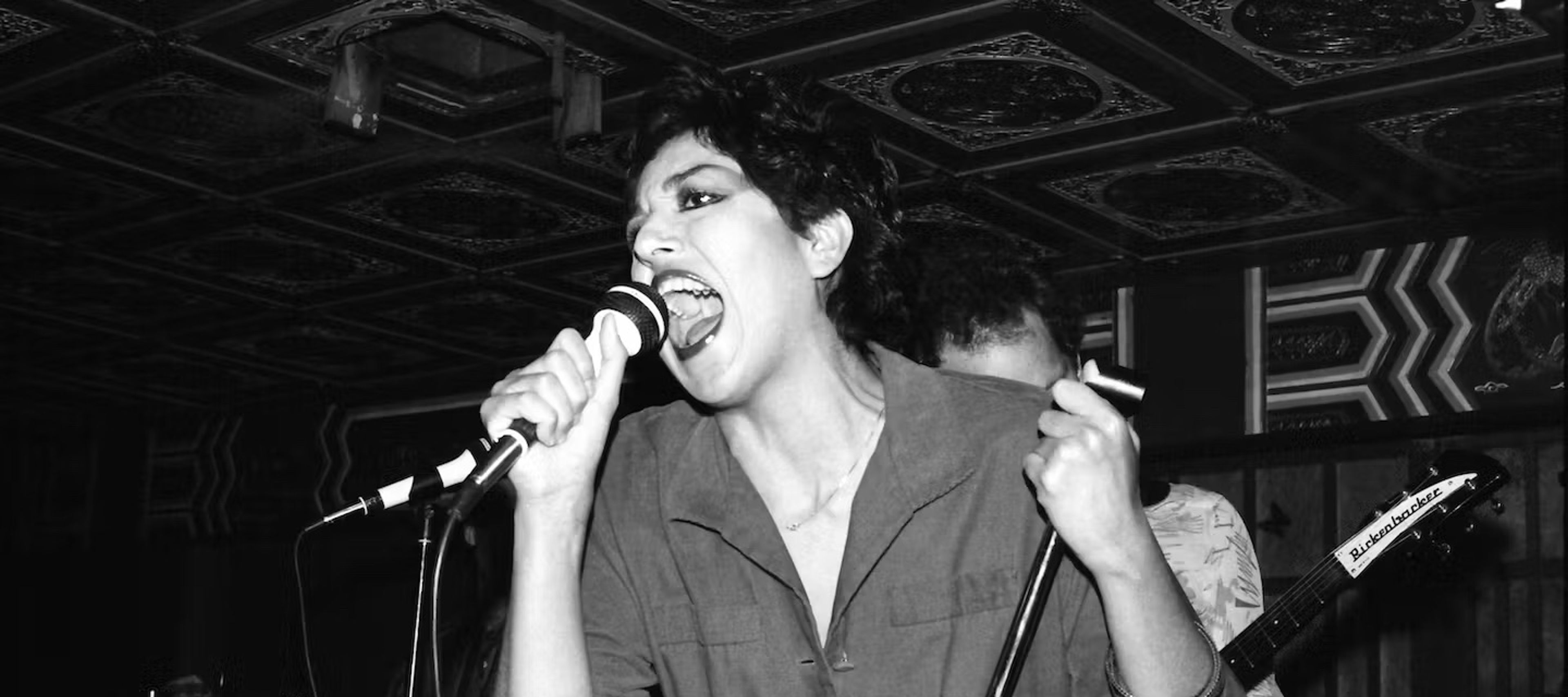
Although the Punk music scene is often perceived as being male-dominated, Los Angeles Chicana Punkeras such as Alice Bag and Teresa Covarrubias redefined Punk culture in their own image. Bag and Covarrubias helped develop a different sense of social activism within the Punk scene, emphasizing race, gender, and class to advocate for social justice through music. While experiencing marginalization as Mexican American women, as Punkeras, Bag and Covarrubias created identities that drew from the sociopolitical Chicano Movement. In doing so, Punk became an avenue where Chicanas reimagined themselves as empowered beings with the authority to bring change and awareness to injustices within their community and beyond.
Alicia Armendariz, better known as Alice Bag, is a Punk cultural icon, musician, author, educator, and feminist activist. She is most well known for her pioneering work in the Los Angeles Punk music scene during the 1970s, both in her band The Bags and as a solo artist. Teresa Covarrubias is a notable figure in the history of Punk music as the frontwoman of the influential East Los Angeles Punk band, The Brat. Known for their energetic performances and unapologetic attitude, The Brat emerged in the late 1970s as one of the first female-fronted Punk bands, defying gender norms and breaking barriers.
An important topic for Chicana Punks in Los Angeles became educational justice. Although Los Angeles public schools were officially desegregated in 1945, many Los Angeles schools faced de facto segregation. Songs like The Brat’s “Pledge of Allegiance” and Alice Bag’s “Programmed” revealed the experiences Chicanas often experienced in an oppressive school system, while also highlighting the power of music as a tool of activism.
Both Bag and Covarrubias used Punk culture as a vehicle for social activism. They were influenced by the grassroots Chicano Movement (also known as El Movimiento) that began in the 1940s with a mission of “combating institutional racism, increasing cultural hegemony, and guaranteeing equal labor and political rights.” The Movement reached its peak years of power during the 1960s and 1970s. Although a movement seeking equality and fairness, the Chicano Movement was still plagued by institutional patriarchy. This resulted in the marginalization of girls and women within the Movement's ranks and in perpetuating patriarchy in the community it sought to empower.
Connected Themes
Artist(s)
Topics
Decade/Era
Monthly Theme