
90 mins
The Cassette Tape Offers New Possibilities
How did the cassette tape change the audience’s experience by allowing the listener to record, compile and disseminate music?
Essential Question
How did the cassette tape change the audience’s experience by allowing the listener to record, compile and disseminate music?
Objectives
Know (knowledge):
- How the technology of the cassette enabled consumer participation in areas previously associated with music production
- How the cassette created new possibilities for music dissemination and how bands such as the Grateful Dead capitalized on these possibilities
- How the mixtape provided a creative outlet for personal expression in the pre-digital era
- How the personal portable cassette player changed the ways in which people related to music
- How the personal portable cassette player drove the movement toward private listening and “personal music environments” that we still see today
Be able to:
- Evaluate content presented in diverse formats and media, including visually and musically, as well as in words
- Analyze the effects of technological advancement on popular culture and art
- Examine visual texts for information, point of view and argument
- Evaluate the effects of technology on history and culture
Background
It is hard to imagine now what a revelation recorded sound must have been to those who heard it in the beginning of the 20th century. After millennia of music existing only in the moment that it was performed, for the first time, people could play their favorite performances at will, with no musicians present.
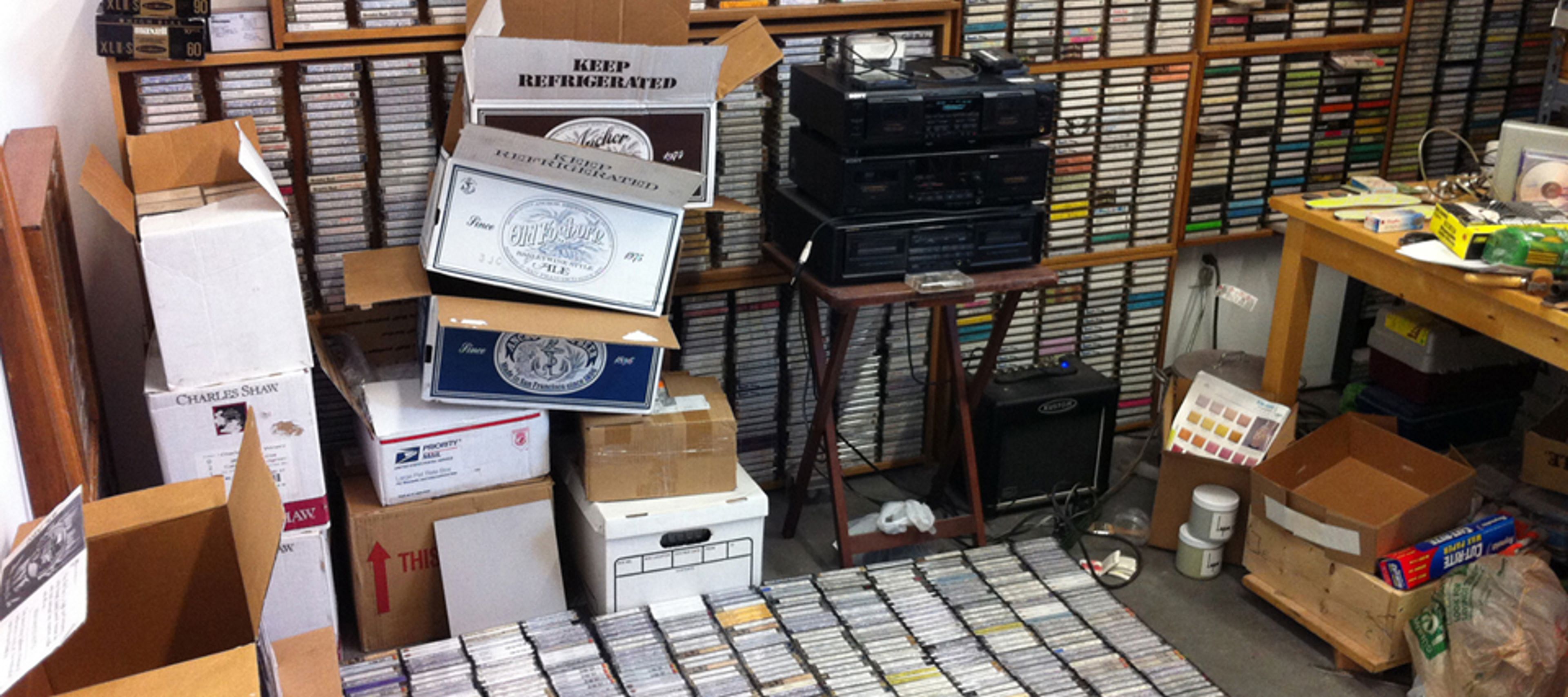
The invention of the consumer cassette tape in the early 1960s and its subsequent incorporation as a mainstream recording format throughout the 1970s and 80s represented another shift in the way people gather, share, and listen to the music they love. Unlike records in which the sound is literally carved into the album’s surface, the magnetic tape inside a cassette is reusable. “Blank” tapes–cassettes sold with no music on them–and home-use tape recorders brought an element of the recording studio and record plant into the average American household. For the first time, people could record songs from the radio or act as their own DJs by making “mixtapes” of songs from different sources. They could record the live performance of a band, and then make copies for friends. Suddenly, the consumer could play the roles of engineer, producer, even distributor - and all that was needed was a blank cassette tape and a home tape recorder.
This lesson explores the possibilities created by the new technology of cassettes and how people made use of them. In many ways, the digital future and its interactive possibilities were prefigured by the cassette era. By viewing and discussing clips from Soundbreaking Episode Eight, students learn how the Grateful Dead allowed their fans to tape their concerts and freely trade cassettes of their recordings, a move that helped establish the group as innovators in how bands cultivate relationships with their fanbase. Students will also consider how the cassette allowed individuals to express themselves through the selection, sequencing and re-packaging of commercially released music. In the last part of the lesson, they will look at the Sony Walkman and related devices, the first portable cassette players that led toward the current age of iPods, Mp3 players, and other forms of personal digital listening devices, exploring a period in which the boundaries between “consumer” and “producer,” and “fan” and “participant” began to erode, allowing even the casual music fan a degree of access to the creative process.