
90 mins
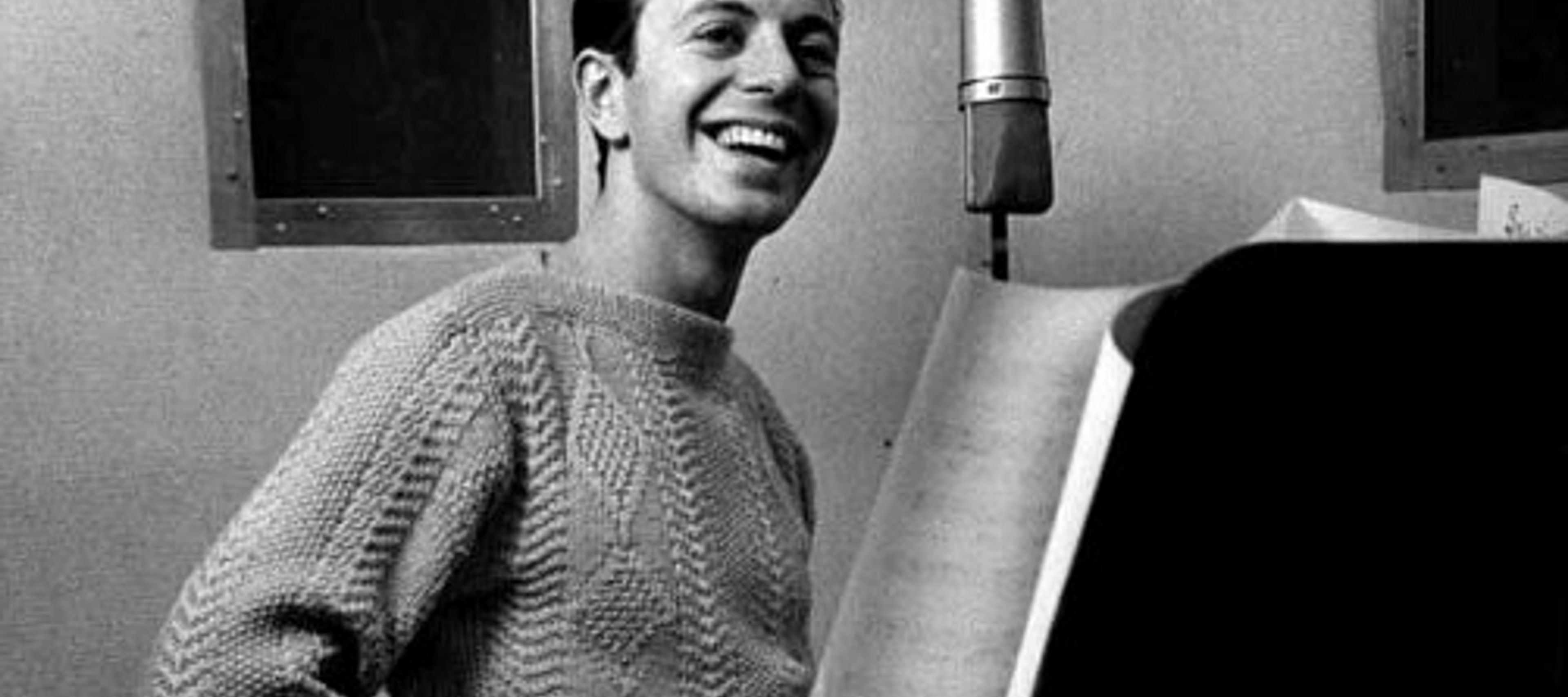
Dion and the Teen Idols
What role did the so-called "teen idols" of the late 1950s play in bringing Rock and Roll into mainstream American culture?
Essential Question
What role did the so-called "teen idols" of the late 1950s play in bringing Rock and Roll into mainstream American culture?
Objectives
Know (knowledge):
- How the teen idols of the late 1950s provided a bridge from the raw sounds and flamboyant styles of the early Rock and Roll pioneers to the more “reserved” Pop tastes of mainstream America
- Media that adult authority figures employed to dissuade rebelliousness and help guide teenage behavior, including educational films and teen magazines
- How Dion initially embraced the “teen idol” marketing strategy but departed from it with recordings like “The Wanderer”
Background
Rock and Roll evolved from Rhythm and Blues, a sound developed by African-American musicians that by the early 1950s had begun to reach a new audience among young white teenagers. By nature of its association with black America, there were those who feared that Rock and Roll was a corrupting influence on American youth, promoting socializing between races and juvenile delinquency.
Music was not the only thing that disturbed those concerned about Rock and Roll's influence. Films such as The Wild One (1953), featuring Marlon Brando as the leader of a motorcycle gang, seemed to suggest that teenagers, if not given proper guidance, might fall in with the “wrong kind of crowd.” In an attempt to encourage “good citizenship,” Parent-Teacher Associations and superintendents across the country created codes of conduct for their pupils to monitor school attire, curfew hours, and social behavior both on and off campus. Rock and Roll, and the culture around it, were viewed as something to control.
Concurrently, pioneer jockey Alan Freed, the man who first attached the term "Rock and Roll" to the latest R&B recordings, was encountering troubles of his own. In August 1957, Freed’s ABC teen dance show Big Beat was cancelled after African-American artist Frankie Lymon was seen dancing with a white girl on the program, an image that outraged the network's southern affiliates. Less than a year later, at the Boston date of his Big Beat Spring 1958 tour, Freed was charged with anarchy and inciting the youths in attendance to riot, though the charges were later dropped.
While Freed battled accusations of encouraging miscegenation and delinquent behavior, many of the early Rock and Roll stars coincidentally began to disappear from the charts. Between 1957 and 1960, Little Richard gave up secular music for a life in the ministry, Elvis Presley enlisted in the Army, and scandals disrupted the careers of both Jerry Lee Lewis and Chuck Berry. The absence of these original crossover artists created a vacuum that made room for a new class of performers—the so-called “teen idols”—who were positioned to broaden the Rock and Roll audience while also alleviating anxieties about the music's potential to corrupt youth.
The idols—mainly white, mainly male—performed a version of Rock and Roll that was in sync with the mainstream American culture of the day. Unlike the characters portrayed in The Wild One, artists including Dion, Frankie Avalon, and Annette Funicello sported a neat, non-threatening appearance, often singing in a Pop style associated as much with Frank Sinatra as it was with Elvis Presley. Their clean-cut good looks meant that they would play well on television, which was rapidly replacing the radio as the main source of family entertainment.
The teen idols were sometimes welcome in markets where more controversial performers like Little Richard or Jerry Lee Lewis were not. While many of the idols would never break free of their nonthreatening images, performers including Dion and Ricky Nelson eventually pushed against the boundaries of their early public personas as their careers matured, with varying degrees of success.
In this lesson, students will examine the emergence of the teen idols in the late 1950s—with a particular focus on Dion and the Belmonts—to understand how mainstream culture promoted the image of the “good citizen” teen during an era of increased anxiety surrounding youth culture. Students will listen to recordings of Dion and the Belmonts’ “A Teenager in Love,” as well as Dion's later recording “The Wanderer,” in addition to viewing a 1958 instructional film outlining school dress codes, a 1953 trailer for The Wild One, a selection of teen magazines, and performances by Jerry Lee Lewis and Connie Francis.
Connected Themes
Decade/Era