
Essential Question
How did the Grateful Dead make their concerts more accessible to the Deaf and Hard of Hearing (DHH) community?
Objectives
Knowledge:
- How deaf and hard of hearing communities experience music and concerts
- The science of sound waves
- How sound can be experienced in a tactile way
- How different materials react to sound waves differently
- How various musical genres might be experienced in different tactile ways
- The history and use of American Sign Language (ASL)
- The diversity of Grateful Dead fans, or “Deadheads”
Mastery Objective:
- Students will be able to better understand how deaf and hard of hearing people experience music by encountering sound’s tactile effects and by practicing American Sign Language.
Background
One of the lasting legacies of the Grateful Dead is their dedication to their fans. Affectionately known as “Deadheads,” Grateful Dead fans were considered more than just customers for records - they were, in many ways, taken in as part of the band’s family. As such, the Grateful Dead made great efforts to connect with their fanbase, whether it was by constant touring, spending a small fortune on an enormous sound system to deliver pristine sound at concerts, or allowing fans to freely record and disseminate those performances.
The band’s desire for a deep connection with their fanbase also meant acknowledging the vast diversity of Deadheads. Beginning in the 1980s, for example, Grateful Dead concerts began featuring American Sign Language (ASL) interpreters, so that their deaf and hard of hearing (DHH) fanbase could better appreciate the concert.
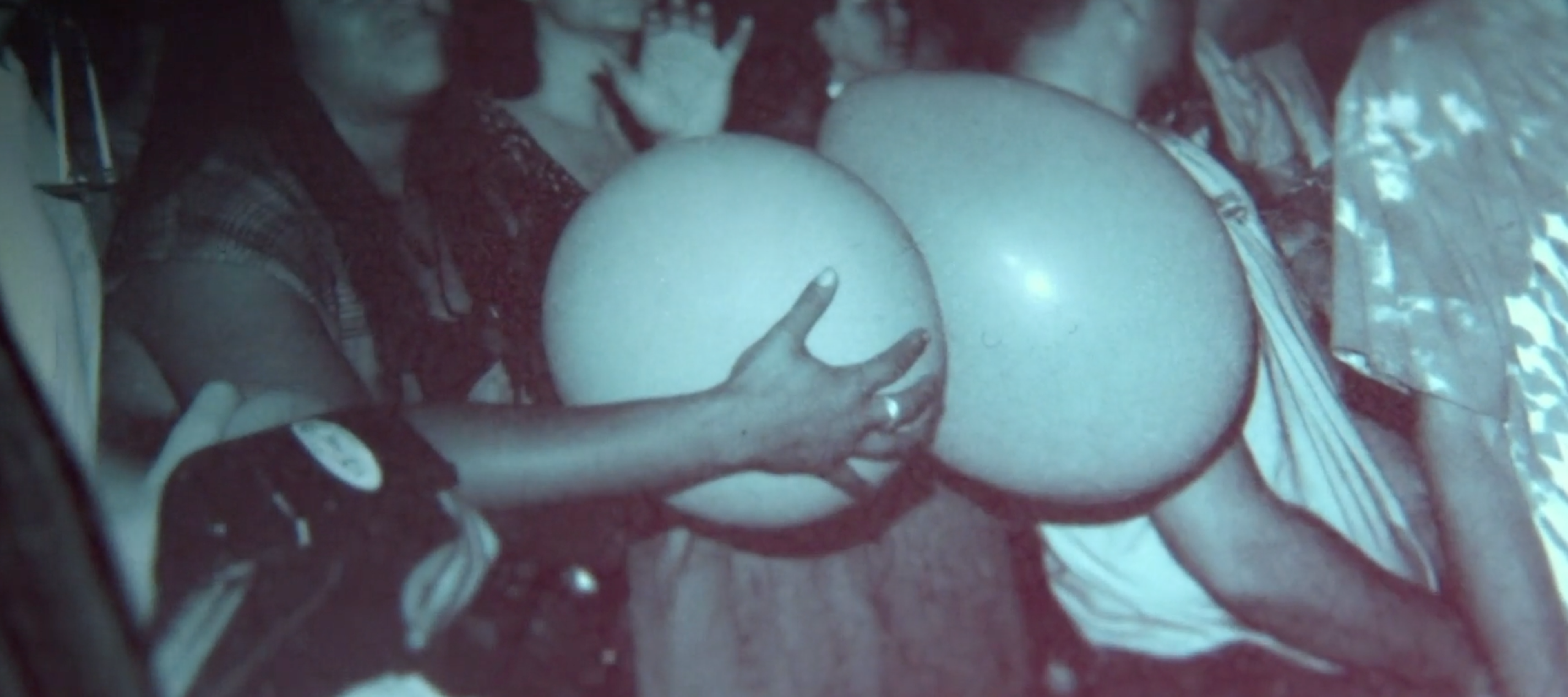
In addition to ASL signers, this community of affectionately labeled “Deafheads” employed other ways to experience Grateful Dead concerts. Many would hold objects such as inflated balloons to enhance their enjoyment of the music, using these aids in order to feel the vibrations coming from the speakers. Soon, the Deafheads were allocated specific sections during concerts, with close proximity to ASL interpreters, video screens focused closely on the band to enable lip reading, and large sound systems so as to better feel the vibrations of the music.
Inspired by the Grateful Dead’s innovative approach to presenting concerts to their deaf and hard of hearing fanbase, in this lesson students consider how deaf and hard of hearing people experience music and concerts by exploring the tactile effects of soundwaves through a hands-on activity, and practicing American Sign Language.
Materials
- Balloons
- Plastic or glass bottles
- Aluminum cans
- Paper plates
- Speakers
- Pieces of cloth or foam.