
90 mins
Debating Cultural Appropriation
What is cultural appropriation, how does it affect Native American communities, and should it be regulated by law?
Essential Question
What is cultural appropriation, how does it affect Native American communities, and should it be regulated by law?
Objectives
Know (knowledge):
- The definition of “culture”
- Various definitions of “cultural appropriation”
- About the debate regarding the validity of the concept of “cultural appropriation”
- About specific instances in popular culture labeled as “cultural appropriation”
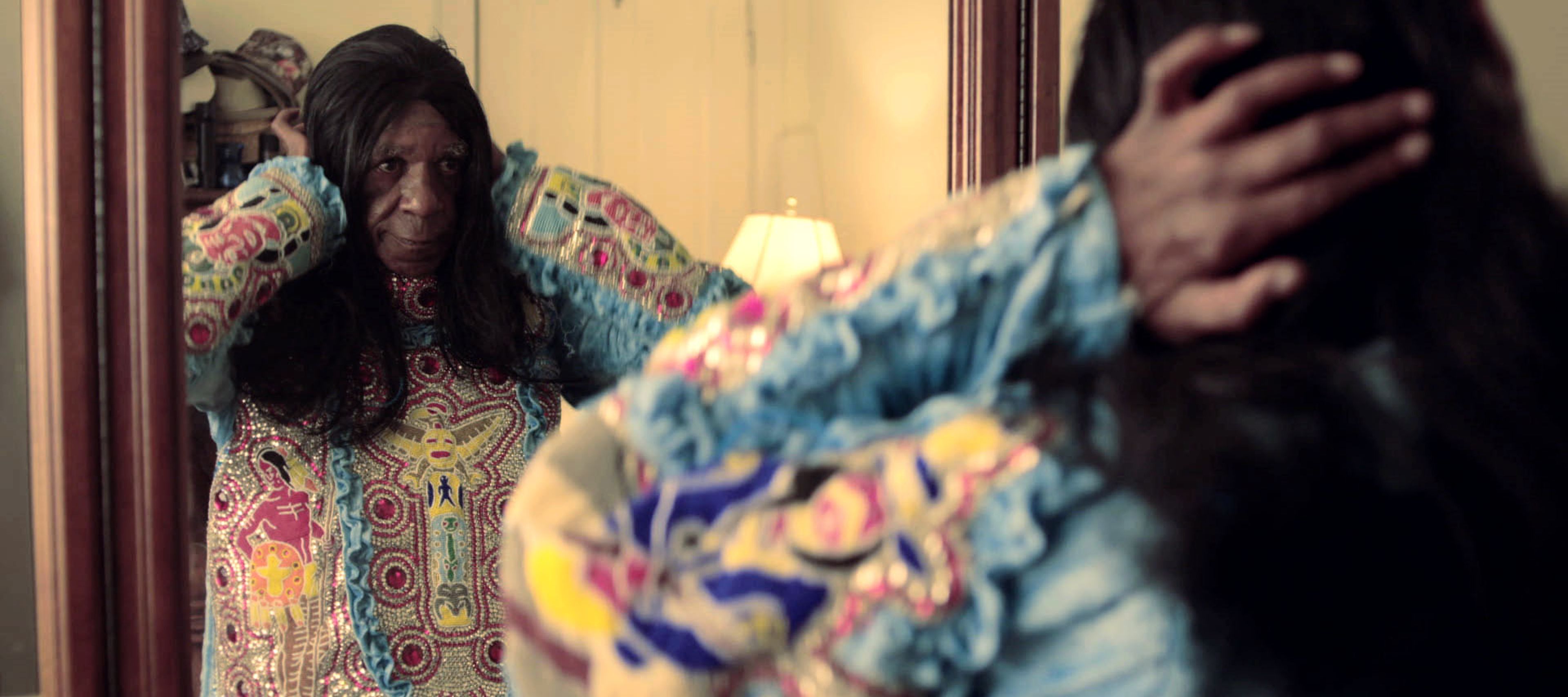
- About the Mardi Gras “Indians” of New Orleans
- Some of the ways certain Native American musicians and poets have responded to cultural appropriation
Mastery Objective:
- Through textual analysis of divergent viewpoints on cultural appropriation, students will be able to evaluate both sides of the debate and then employ research-based evidence in the statement of their own beliefs about the issue
Background
In this lesson, students will engage in a structured academic controversy to address the question, “should appropriation of Native American cultural practices be regulated by law?” Working in small groups, students will consider cultural appropriation in varying degrees by watching RUMBLE clips of African American “Mardi Gras Indian Tribes” from New Orleans, viewing images of sports logos, controversial fashion items, and consulting divergent viewpoints in regards to each. Groups will pair off into a “yes” and “no” answer, and support their position with evidence. Then, the groups will switch, and each defend the opposite position. Finally, the class will end with each student drafting a personal response to the activity. Throughout the lesson, students will additionally encounter poetry written by Native Americans that offers their perspectives on the issue of cultural appropriation.
In 2013, A Tribe Called Red, a Canadian collective of First Nations DJs whose work regularly samples traditional Indigenous Music, requested on Twitter that their Non-native fans refrain from wearing Indigenous headdresses and "warpaint" at their performances. "It's insulting," they wrote, adding later that donning such outfits is an act of "racial stereotyping and cultural appropriation."
A Tribe Called Red's statement is one of the many that have brought the contentious issue of “cultural appropriation” into public consciousness. The practice, defined by Fordham Law Professor Susan Scafidi as, “Taking intellectual property, traditional knowledge, cultural expressions, or artifacts from someone else's culture without permission…[especially] when the source community is a minority group that has been oppressed or exploited in other ways," is viewed by some as a serious issue that deserves legal action. Others, however, believe that “cultural appropriation” is a natural outgrowth of the “melting pot” culture of a place like the United States and that there is nothing negative about it whatsoever. Perhaps no bellwether of the contentiousness behind the term is as telling as the Wikipedia entry for the term, where the open source nature of the site allows anyone to make edits, and they do. “Cultural appropriation” is updated, and also reverted to its previous state almost daily as individuals seek to control the meaning of the concept itself.
Connected Themes
Artist(s)
Genre(s)
Monthly Theme