
90 mins
Indigenous Voices in Global Environmental Protection
How do Indigenous perspectives contribute to international environmental protection policies?
Essential Question
How do Indigenous perspectives contribute to international environmental protection policies?
Objectives
Know (Knowledge)
- The biography and accomplishments of Sônia Guajajara, Brazil’s first Minister of Indigenous People
- How Indigenous voices contribute to global discussions about environmental policy
- The various perspectives and stakeholders involved in crafting environmental policy
- How music plays a role in environmental activism
Mastery Objective
- Students will be able to investigate the value of Indigenous voices in global environmental policy making by watching an interview with Sônia Guajajara and participating in a mock environmental conference.
Background
In this lesson, students explore Indigenous environmental activism by viewing interviews with Sônia Guajajara, the Brazilian minister for Indigenous people. Students consider the role music plays in environmental activism, and roleplay a mock environmental conference to gain a better understanding of the multiple and often conflicting interests related to environmental policy, and how consensus can be reached.
While specifics differ, one characteristic shared by Indigenous people across the globe is a respect for the environment. For centuries, tribal land has served Indigenous people as a source of survival by providing water, food, and medicines. Many Indigenous groups also have a sacred relationship with the land, and therefore act to protect the environment and keep it healthy.
Today, Indigenous environmental activists often raise awareness toward a multitude of issues affecting the health of the environment, such as unsustainable agriculture practice, mining, logging, and infrastructure projects on Indigenous lands. In addition to this, activists often have to continue to fight against social prejudice and racism against Indigenous people. Such work has brought global recognition to many indigenous activists. One such activist is the Brazilian minister for Indigenous people, Sônia Guajajara.
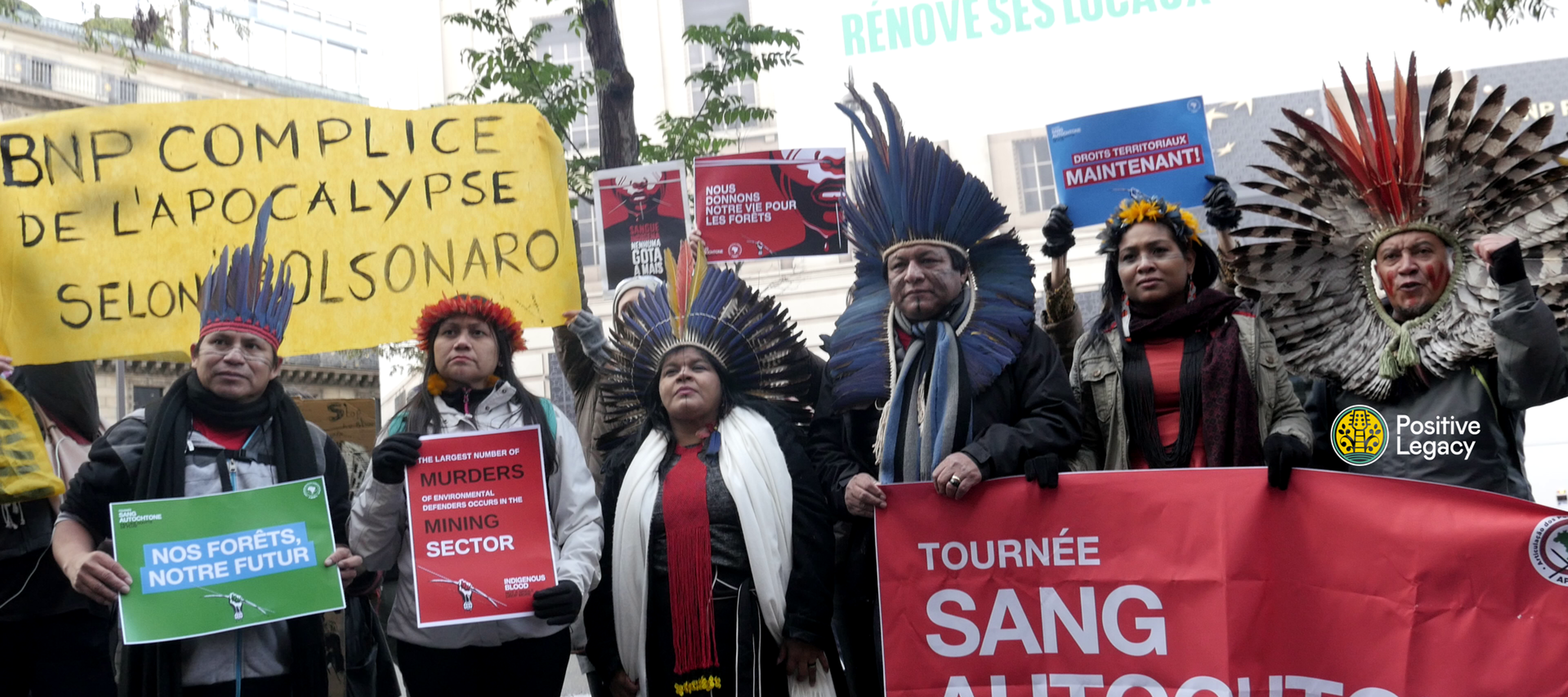
Sônia Guajajara was born on the Araribóia Indigenous Territory in Brazil. She was the daughter of illiterate parents, and at the age of 15, left her home to study. After attaining a degree in Literature, Guajajara began working as an activist for Indigenous rights, and held leadership roles in small and local Indigenous organizations. As a leader, she fiercely advocated for Indigenous rights in Brazil’s National Congress. This work led her to represent Brazil’s Indigenous people at international forums like the United Nations and the European Parliament, the legislative body of the European Union. In 2023, Guajajara was appointed Minister of Indigenous People — a newly established position and cabinet-level ministry in Brazil’s federal government.
For Guajajara, being the first minister of Indigenous people in the world entails responsibility to represent not only Indigenous concerns in Brazil, but internationally as well. She feels environmental issues and Indigenous issues are deeply intertwined. “The world is experiencing a climate emergency,” she states in the lesson interview, “and there is no way to discuss solutions. . .without bringing Indigenous people into the debate.” To strengthen these voices, Guajajara seeks to bring together a global alliance of tribes, environmental NGOs, and national governments to advocate for environmental issues–and in this alliance, Guajajara stresses, young people internationally need to have one of the strongest voices.
Materials
Devices with access to the internet.