
90 mins
Lydia Mendoza: Tejano Life and Music on the Mexico/Texas Border
How does Lydia Mendoza’s Tejano music connect to the history of Texas and the influence Mexico has had on that state?
Essential Question
How does Lydia Mendoza’s Tejano music connect to the history of Texas and the influence Mexico has had on that state?
Objectives
Know (knowledge):
- How Lydia Mendoza was fundamental in developing and popularizing Tejano music
- What Tejano identity is and the people, culture, and history connected to
- The unique history of Texas
- The phrase “six flags over Texas” and what it signifies
Mastery Objective
- Students will be able to articulate who Lydia Mendoza was and how she pioneered Tejano music by analyzing images, discussing terms, and viewing a video.
Background
In this lesson, students will explore the life of Tejano music pioneer Lydia Mendoza and identify how her music connects to Mexican heritage, Tejano culture and Texas identity. Students will examine Texas' unique history and identify the "six flags" that have flown over it.
The border that currently separates Texas from Mexico has not always been an international line. For more than 10,000 years before Spanish colonization began in 1519, the territory now known as Texas was home to numerous Native American Tribal Nations, including the Apache, Cherokee, Comanche, and Wichita. The region was briefly part of French colonial territory in 1685, only to be reclaimed by Spain in 1690. Mexico gained independence from Spain in 1821, and the Texas region went with it. Texas then became an independent republic in 1836 before it was annexed by the United States in 1845. During the American Civil War from 1861-1865, Texas joined the rebelling Confederate States of America but returned to the Union at the war’s end. The southern border of Texas even shifted at times, causing the region’s land mass to expand or shrink.
Spanish colonial domination and Mexico’s influence significantly shaped the current identity of the area. Residents with ethnic ties to Spanish-speaking colonists, a family history in the region, and valued local traditions began to refer to themselves as Tejanos - Texans with Mexican roots. A cultural byproduct of this synthesis was music composed of Mexican, American, and European musical traditions, resulting in a vibrant sonic hybrid known as Tejano music.
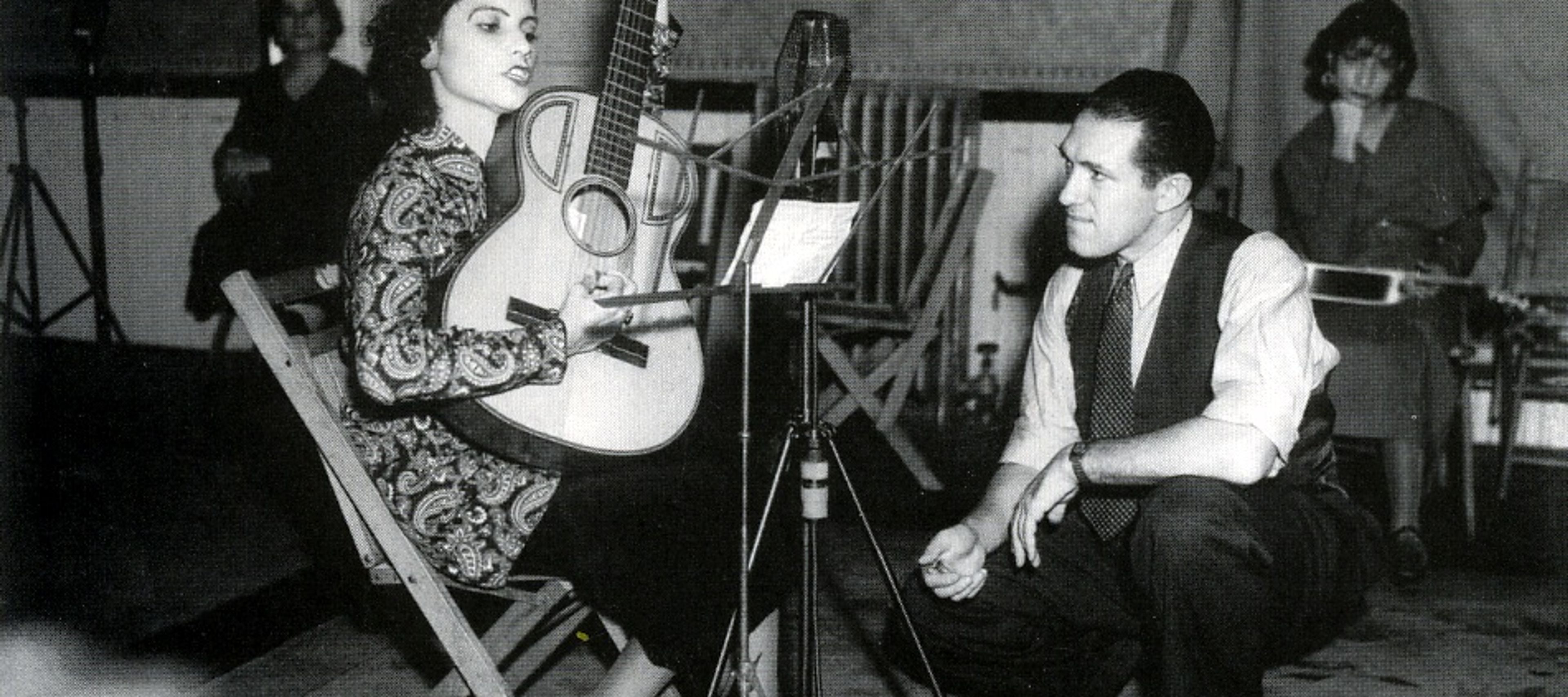
A trailblazer in the development and popularization of Tejano music was the singer and guitarist Lydia Mendoza. Born in Houston, Texas in 1916 to Mexican parents, Mendoza performed music along the southern border of Texas as a member of her family’s traveling music group. In 1934, Mendoza recorded the ballad “Mal Hombre” as a solo artist. The recording was a regional and national hit, lifting Mendoza’s burgeoning career and introducing Tejano music to a much wider audience.
Mendoza championed regional music that mixed Mexican folk styles with European dance rhythms while also challenging and expanding the image of a female leader in Tejano culture. She flaunted instrumental customs by solely accompanying herself on 12-string guitar, foregoing the typical Tejano ensemble and establishing exclusive artistic command of her live performances. Although she prioritized family responsibilities and lightened her performing and recording schedule later in life, Mendoza was always revered. The numerous honorific titles bestowed upon her include: the Queen of Tejano music, the Spanish Songbird, La Alondra de la Frontera ("The Lark of the Border"), and La Cancionera de los Pobres ("The Songstress of the Poor").
In 1982, Mendoza became the first Texan to be awarded the National Heritage Fellowship Lifetime Achievement Award from the National Endowment for the Arts. She was honored by President Bill Clinton with the National Medal of Arts in 1999 and received the Folk Alliance International Lifetime Achievement Award in 2001. Her life and career was celebrated with a United States Postal Service stamp in 2013.
Connected Themes
Artist(s)
Decade/Era
Monthly Theme