
90 mins
"See You Again": How We Mourn with Music
How does music help us remember people we are close to, or those we have lost?
Essential Question
How does music help us remember people we are close to, or those we have lost?
Objectives
Upon completion of this lesson, students will:
- Know (knowledge):
- The stories related to the composition of the song “See You Again”
- How music and memory are related
- Historical examples of songs written in memorial to specific people
- Mastery Objective:
- Students will be able to consider the role music plays in remembering friends and loved ones through media analysis and exploratory writing.
Background
Perform "See You Again" with your class using Modern Band Charts provided by Music Will.
In the final scene of the film Furious 7, longtime friends Brian O’Conner (played by Paul Walker) and Dom Toretto (played by Vin Diesel) arrive at a fork in the road. Toretto heads back to his “fast and furious” lifestyle, but O’Conner chooses what for him is the divergent path, away from danger and adventure and toward a quieter, more stable life with his family. The emotion of the scene is heightened by Charlie Puth’s “See You Again,” a sentimental song about families, friendship, and difficult goodbyes. The scene is fictional, the song, less so.
Puth composed “See You Again” in memory of actor Paul Walker, who died in a car accident in November 2013 shortly after filming Furious 7. He wrote it in response to a call from film producers at Universal Pictures and soundtrack editors at Atlantic Records for songs that would pay tribute to Walker’s life. The winning song would be played at the end of the film.
At the time, Puth was a relative unknown in Los Angeles, and had little hope his song would be chosen. Yet, while the Furious 7 producers received submissions from several marquee artists, the melody and the message of “See You Again” stood out. "The first time we heard it we knew this was the end song," said producer Neal Moritz in a Los Angeles Times interview. "It had a sense of longing and sadness but it was also uplifting as well.”
Part of the sentimental pull of “See You Again” might have stemmed from Puth’s personal experience--he too had lost a friend to a car accident. But while the lyrics acknowledge loss, they also remain, as Moritz points out, “uplifting” in their acclamation of the power of memory and the possibility of reunion. On Genius.com, Puth recalls, “I thought to myself, ‘What would [film co-star] Vin Diesel’s last text message be to Paul Walker the moment he died?’ I decided it would be ‘I’ll tell you all about it when I see you again.’ ”
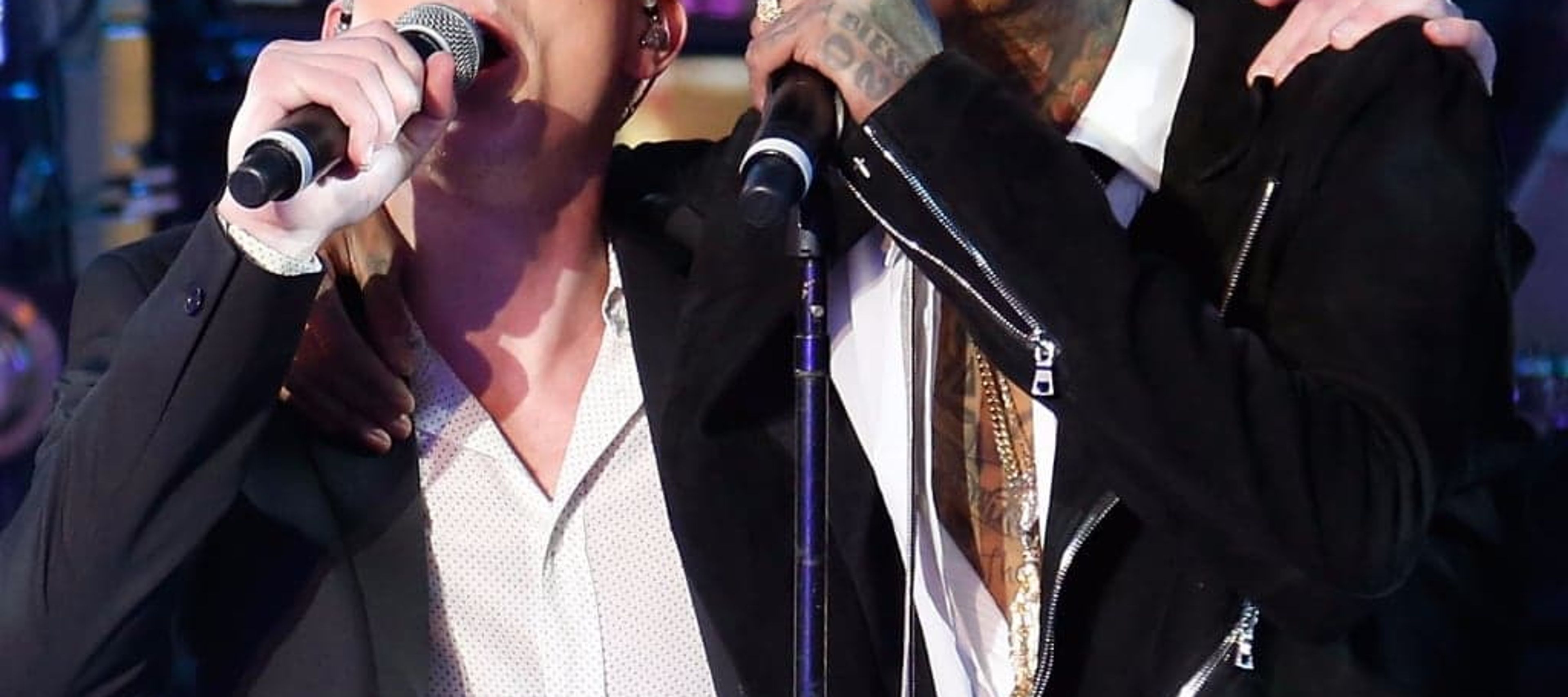
The final version of “See You Again,” which also features several verses by rapper Wiz Khalifa, topped the Billboard charts for 12 weeks. The music video eclipsed previous Youtube viewing records, and became the most-streamed song in a single day on Spotify.
In this lesson, students use “See You Again” to consider the emotional power of song, and explore ways music might help people think about loved ones. Working in groups, students then discover other songs that have been written in memoriam to people, finally contemplating how songs might remind them of their own personal friends and loved ones.
Connected Themes
Topics
Decade/Era
SEL Competency
SEL Subskill(s)