
90 mins
Mountaintop Removal Mining in Appalachia
What is mountaintop removal, how does it affect the environment and people’s health?
Essential Question
What is mountaintop removal, how does it affect the environment and people’s health?
Objectives
Know (knowledge):
- The process and purpose of mountaintop removal
- The environmental effects of mountaintop removal
- How citizens can advocate for an environmental issue
- Ben Sollee and Daniel Martin Moore's album Dear Companion, and their advocacy of environmental issues
- The form and brief history of the Ballad
Mastery Objective
- Students will be able to explain the process and the environmental impacts of mountaintop removal by conducting a hands-on experiment and writing their own ballad.
Background
In this lesson, students will learn about mountaintop removal by conducting a hands-on activity and watching clips from a documentary film Mountain Top Removal. Students will also understand how music helps build environmental awareness by listening to songs by musicians Ben Sollee and Daniel Martin Moore, and creating their own ballad about an environmental issue.
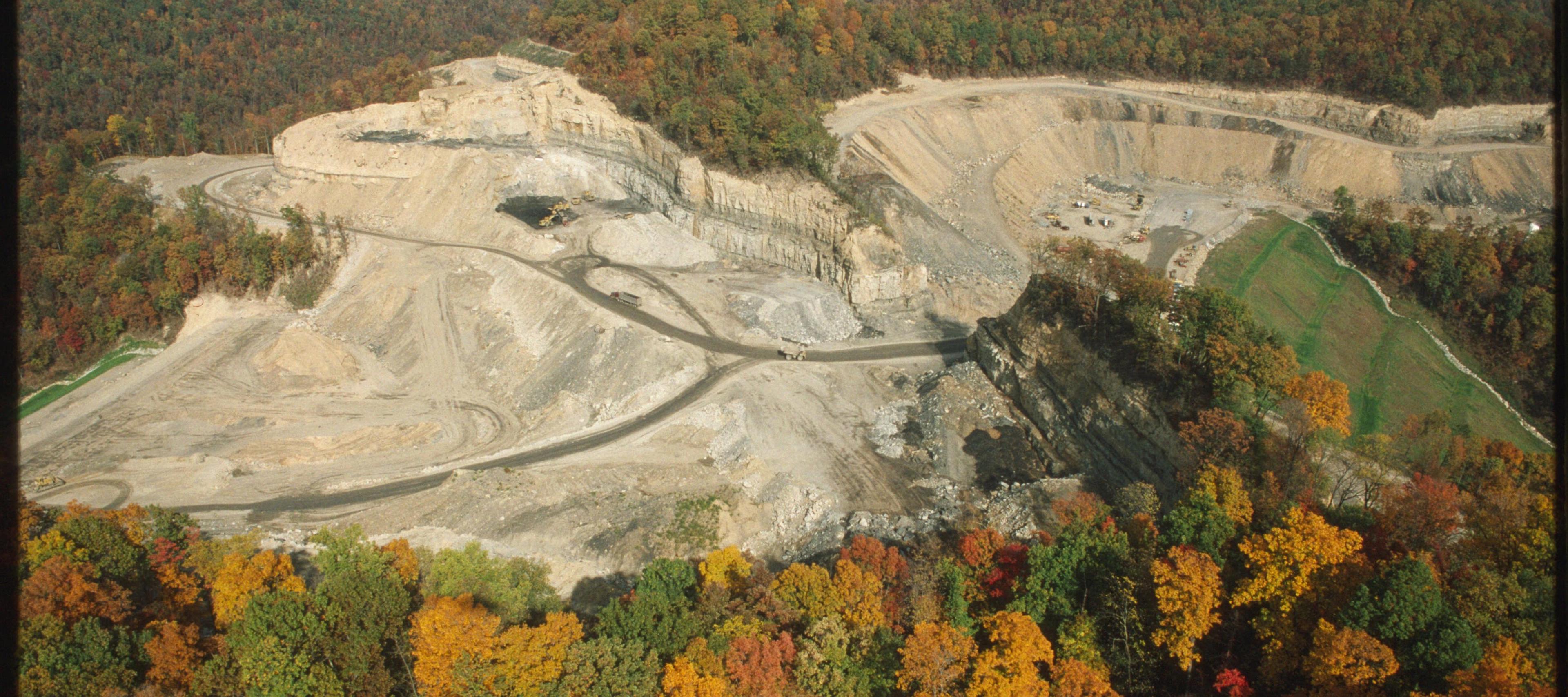
Mountaintop removal is a mining technique common in the Appalachian Mountains that involves removing the tops of mountains to extract coal, rather than mining tunnels into them. By removing tops of mountains, mining companies destroy plants, damage natural geological formations and disrupt waterways. Today, over 500 mountains have been destroyed and 2000 streams have been obliterated through mountaintop removal mining. Mountaintop removal also produces coal slurry, which replete with mercury, arsenic, and other hazardous materials that, if not stored properly, poisons plants, animals, and people.
Given the danger mountaintop removal mining possess, citizens in the Appalachian region and fought against the practice. This lesson uses clips from the 2007 documentary Mountain Top Removal, which examines how mountaintop removal has affected people in West Virginia by following the “Pennies for Promise” campaign, which sought to relocate an elementary school after the students were exposed to coal slurry.
The lesson is framed around the music of Ben Sollee and Daniel Martin Moore, who created the 2010 album Dear Companion in order to shine light on the issue of mountaintop removal, and raise money to help end the practice. By examining the work of Sollee and Moore, students gain insight on the way artists can use their platform to speak out on environmental issues.
Materials
(1 per student group):
- Large cookie sheet or cafeteria tray
- Plastic cups and bowls
- Pitcher with clear measurement indicator
- A kitchen or sink towel
- A plastic drop-cloth or table cloth