
90 mins
Palm Oil - The Environmental Impact
How have palm oil plantations impacted indigenous communities in Indonesia and the global climate as a whole, and how have activists and musicians spread awareness about the issue?
Essential Question
How have palm oil plantations impacted indigenous communities in Indonesia and the global climate as a whole, and how have activists and musicians spread awareness about the issue?
Objectives
Know (knowledge):
- That the creation of palm oil plantations can add carbon dioxide into the atmosphere by burning and eradicating natural peat bogs
- The creation of palm oil plantations have disrupted the economy and culture of Indigenous communities in Indonesia
- Indigenous communities in Indonesia have been on the forefront of preventing peat bogs from being replaced with palm oil plantations
- The scientific measurement of soil organic carbon
- The activist Emmanuela Shinta, and how she is raising awareness about palm oil plantations
- The band Navicula, and how they spread awareness about environmental issues
Mastery Objective
- Students will be able to identify the environmental effects large palm oil plantations have on indigenous communities in Indonesia and the global climate by calculating the amount of soil organic carbon in Indonesian peatlands.
Background
Special thanks to Eyes of the World Films for footage from In the Land of Palm Oil. Learn more about the film here.
In this lesson, students will investigate the role the cultivation of palm oil plays in climate change by examining scientific reports and calculating the amount of soil organic carbon (SOC) in the Indonesian peatlands. They will also investigate the ways indigenous activist Emmanuela Shinta and the band Navicula raise awareness about the damage palm oil plantations are doing to indigenous communities and the global environment. Finally, students evaluate possible solutions to harvesting palm oil in a more sustainable and ecological way by reading scientific reports and discovering the work of activists.
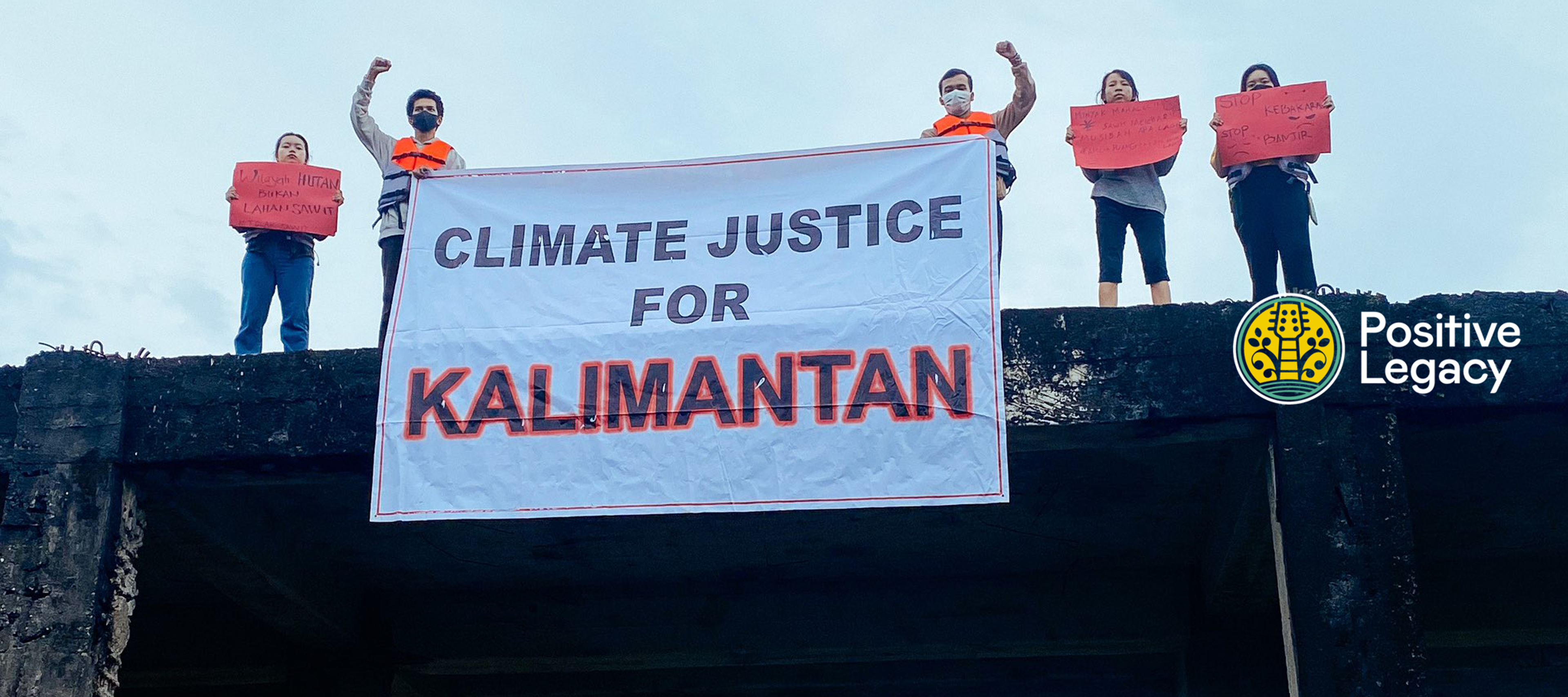
In 2015, mass fires on the Indonesian island of Kalimantan (also known as Borneo) led to rampant pollution, decimated plant and wildlife, and released millions of tonnes of carbon dioxide into the atmosphere. The cause of the fires had partly to do with natural El Niño weather patterns, but human activity contributed to their severity.
Kalimantan holds the largest percentage of tropical peatlands in the world. These wetland ecosystems are characterized by peat, a marshy mixture of plant material that, due to the concentration of water, decay very slowly.
The tropical peatlands of Kalimantan produce soil rich in carbon, making them attractive for agricultural development. Today, Kalimantan is dominated by palm oil plantations, which comprise over 13 million hectares of the island. The global demand for palm oil - an inexpensive, healthy vegetable oil with a long shelf-life - has incentivized private interests to develop palm oil plantations in Kalimantan. In 2016, Forbes identified that 14 of the 32 billionaires in Indonesia are in the palm oil business.
These palm oil companies regularly act unethically, clearcutting or burning tropical forest land that often belongs to the indiginous Dayak people of Kalimantan. In 2022, palm oil tycoon Surya Darmadi was brought to trial for bribing government officials and illegally cutting down tropical forestland on the Indonesian island of Sumatra. It was one of the largest corruption cases in the country’s history.
The environmental impact of the palm oil plantations is devastating. Native plants and animals such as the orangutan are being displaced as their habitats are being destroyed. Water is drained from natural peatlands in order to create the plantations, drying them out and making them more prone to fires. In 2021, floods in Kalimantan were likely exacerbated by palm oil development, which have eradicated natural watersheds that would help limit the amount of flooding from rivers and other bodies of water.
Thankfully, efforts to preserve the environment in Kalimantan are ongoing. The Dayak people are organizing and demanding the Indonesian government conduct more oversight over palm oil plantation operations. Activists such as Emmanuela Shinta are building international awareness about the issue, and many national and international environmental organizations are advocating for more sustainable methods of palm oil cultivation. And bands such as Navicula are spreading environmental awareness through their music. These combined efforts, with help from consumer demand and awareness, will hopefully lead to a future where palm oil is fairly and sustainably harvested.
Materials
Students should individually have a device with access to the internet (Chromebooks, etc.)
Connected Themes
Genre(s)
Decade/Era
Monthly Theme