
180 mins
Sun City: A Musical Force Against Apartheid
What was South African apartheid, and how did musicians unite to challenge it?
Essential Question
What was South African apartheid, and how did musicians unite to challenge it?
Objectives
Know (knowledge):
- Understand the history of apartheid in South Africa, and how it affected South Africans
- Understand the limitations imposed upon people who might have wanted to change the system
- Understand possible connections between apartheid and continuing systems of segregation in the United States
- Understand the motivation, production, and lasting results of the Sun City project.
- Learn about strategies governments, companies, and individuals developed in order to attempt to eradicate apartheid
- Form connection behind racist policies in South Africa and those in the United States
Mastery Objective:
- Students will be able to explain the apartheid system in South Africa and how it was defeated through a musical boycott through discussion, data analysis, and critical reading.
Background
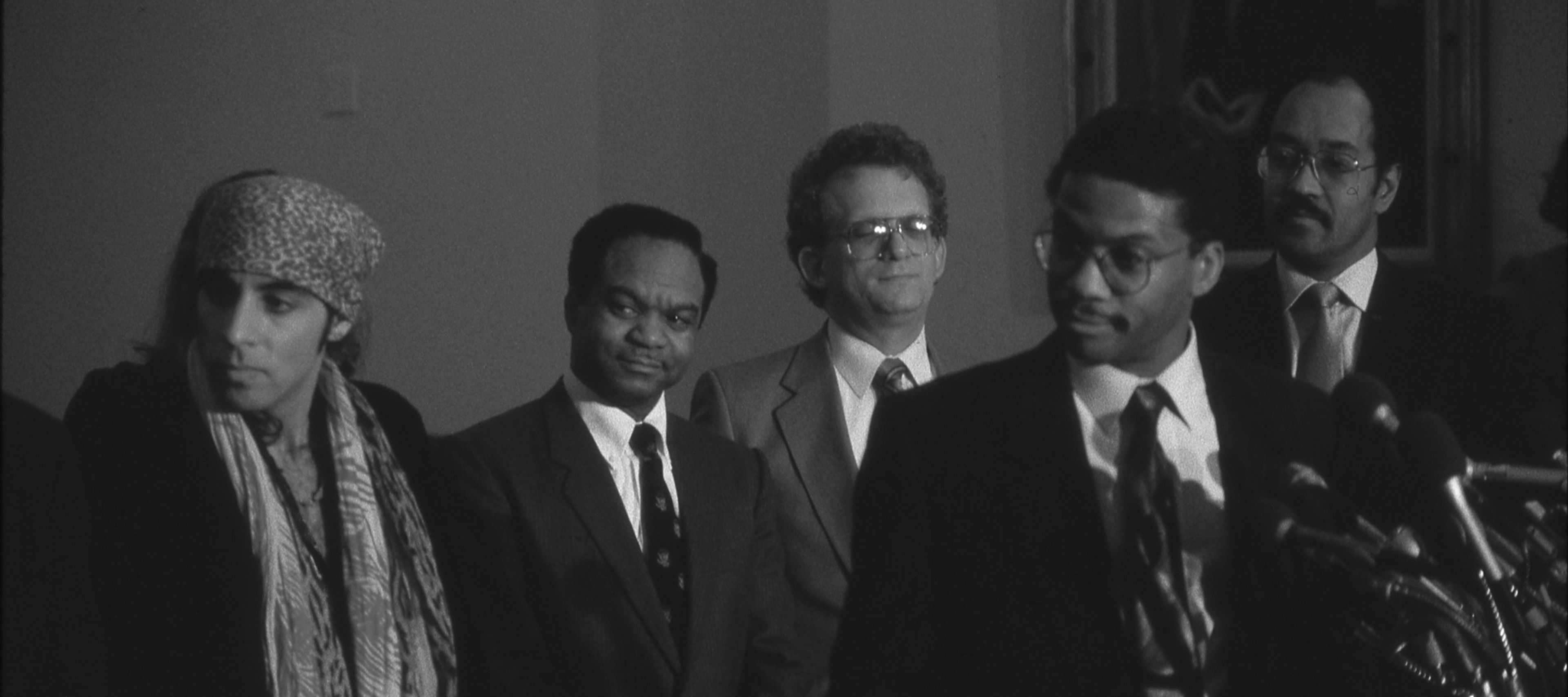
In this lesson, students are introduced to apartheid in South Africa and the role music played in ended the practice. In Part 1 of the lesson, they watch clips from Steven Van Zandt and Arthur Baker’s Sun City documentary to learn about apartheid, and attempt to experience what life might have been like during apartheid through a classroom activity. Then, students consider ways in which apartheid could be fought, and whether elements of apartheid in South Africa also existed in the history of the United States. In Part 2, students view clips from the Sun City documentary and explore how musicians united to challenge apartheid. In a group setting, students will consider the various strategies activists, corporations, and other governments used to isolate the South African government and hasten the end of apartheid. Finally, students consider how apartheid relates to segregation in the United States.
In the South African national anthem, each of the five stanzas is sung in a different language. The song features the regional languages Xhosa, Zulu, and Sesotho, as well as European English, and Afrikaans, or “African Dutch,” which developed as Dutch settlers became a fixture of the area in the 17th and 18th centuries. The varied tongues of the anthem reveal the strange relationships that emerged between local and foreign powers during colonialism. That the languages are found together within a single song demonstrates that the country, which languished in a state of institutionalized racial segregation and discrimination known as apartheid for much of the 20th century, has progressed.
Apartheid became the official policy of South Africa in 1948, but segregation and discrimination had been the norm of the region since the “Boers”--landowning European farmers--of the Dutch East India Company established a settlement powered by the labor of slaves and indentured servants on the Cape of South Africa in the 17th century.
The Dutch sold the South African colony to Great Britain in 1815. Upset with new laws imposed by England, especially one abolishing slavery, the Boers moved further inland. The “Great Trek” of Boers led to skirmishes and wars between the Boers, the English colonists, and the indigenous African tribes, especially the Zulu, throughout the 19th century. The discovery of gold and diamonds in the mid-1800s caused tensions over mineral resources and the labor needed to extract them, intensifying violence in the region. These conflicts eventually ended in 1909, when the South Africa Act unified the British Colonies and the Boer Republics into a single country. Coupled with the union, however, came harsh segregation laws which denied blacks the right to vote and allocated only eight percent of the country’s land to the native Africans who made up 80% of the population.
South Africa joined the allied forces in World War II, and as young whites left for service, many rural blacks migrated to cities to work the jobs they vacated. Following the war, many returning soldiers felt threatened by the economically empowered blacks in their midst. The National Party of South Africa campaigned on a promise to return the country to an era when whites were economically secure. Upon winning power in 1948, the National Party enacted the legal system of apartheid, or “apartness,” which they claimed would ensure white dominance.
Under apartheid, blacks, South Asians and “coloured” (mixed-race) people were not allowed to vote. Blacks were forced to migrate from their residences to separate independent “Bantustans,” or supposed tribal “homelands” set aside for them, and interracial families were split apart. With little opportunities to make a living within the poor Bantustans, many travelled great distances to be employed as “migrant workers” in larger cities. Acts of resistance against such unjust policies were often met with violence by the army and the police. Peaceful protests against apartheid in Sharpeville and Soweto led to many deaths, including those of children. Anti-apartheid leaders such as Nelson Mandela and Archbishop Desmond Tutu were imprisoned, Steven Biko was beaten to death by the police while in jail.
The apartheid system would last over 40 years, finally ending in the early 90s, after decades of international outcry and protest.
Connected Themes
Artist(s)
Decade/Era