
90 mins
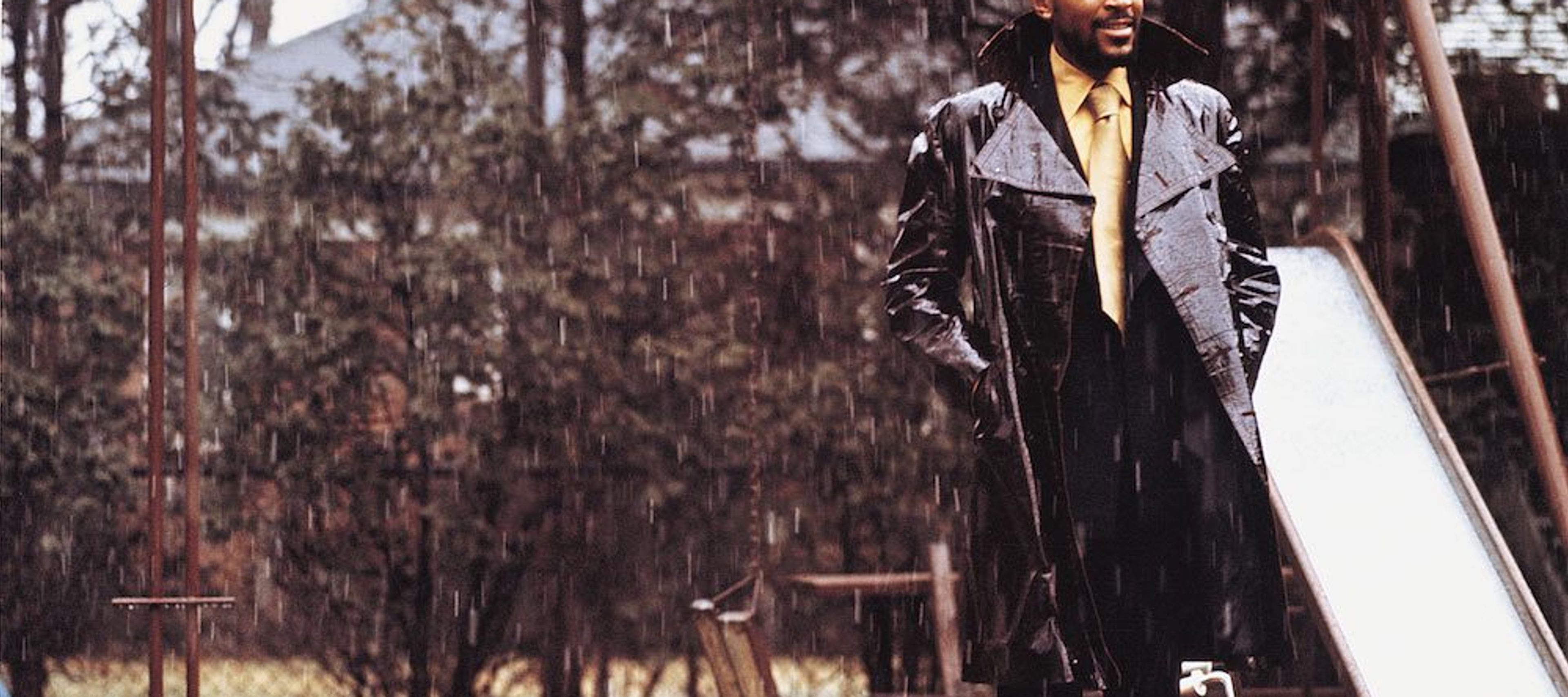
The 1960s featuring the Marvin Gaye Album What’s Going On
How did Marvin Gaye's 1971 album What's Going On speak to the everyday issues many Americans were facing in the 1960s?
Essential Question
How did Marvin Gaye's 1971 album What's Going On speak to the everyday issues many Americans were facing in the 1960s?
Objectives
Know (knowledge):
- The impact of the Vietnam War and social justice movements of the 1960s
- Domestic and social policies of President John F. Kennedy including the New Frontier program
- Domestic and social policies of President Lyndon B. Johnson including Great Society programs
- Other events of the 1960s that led to its turbulent representation in history; the assasination of John F. Kennedy, Martin Luther King Jr., and Robert Kennedy.
- How the album What's Going On was different from what Marvin Gaye and Motown Records previously produced
Mastery Objective:
- Students will be able to contextualize U.S. domestic events of the 1960s through the exploration of the 1971 Marvin Gaye album What’s Going On as well as primary sources like public television episodes, political cartoons, and veteran interviews.
Background
In this lesson, students will analyze the lyrics of Marvin Gaye’s 1971 album, What’s Going On during a scavenger hunt and utilize the record’s lyrical themes to determine “what was going on” in American society during the 1960s. They will contextualize the decade by analyzing lyrics and other primary sources, including the GBH Boston public television show, Say Brother, Herb Block political cartoons, and the Library of Congress’ Veterans History Project. The lesson concludes with students revisiting the motivational activity prompt about whether or not artists should use their platforms to discuss politics and societal issues.
At the dawn of the 1970s the events of the 1960s were still reverberating, including years of ongoing U.S. military involvement in Vietnam and a fight for equal rights at home. Motown Records recording artist Marvin Gaye chose this moment to sing about American society’s experiences and concerns with his landmark 1971 album, What’s Going On. While the Vietnam War and the Civil Rights Movement were some of the dominant storylines of the ‘60s, there were other issues at home and abroad that would interact with those dominant issues to create what many historians of this era have described as “turbulent”, “a decade of revolution”, and “transformative”. With What's Going On, Marvin Gaye brilliantly managed to articulate the prevailing issues of the time period on the album, song by song.
One of the more influential experiences that shaped Marvin Gaye’s work on What’s Going On was the military service of his brother, Frankie Gaye. Frankie Gaye had recently returned home to the U.S. after serving in the Vietnam War as a U.S. Army radio operator. In the song, “What’s Happening Brother” from the album, Marvin Gaye drew upon Frankie’s experience with first-person lyrics that expressed the disillusionment and frustration many veterans (especially those of color) faced when returning to civilian life in the U.S.: “Can't find no work, can't find no job, my friend / Money is tighter than it's ever been / Say, man, I just don't understand what's going on across this land.”
While the 1960s have been described as “a decade of revolution”, it was also a decade of protests and the creative spark that led to the What’s Going On album can be traced back to the 1969 People’s Park protest in Berkeley, California. The protest eventually ended in tragedy when police opened fire on protesters, killing one man and injuring dozens more. Witnessing the tragic protest while on tour with his group the Four Tops (also a Motown Records recording artist) was singer Renaldo “Obie” Benson. Benson was deeply disturbed by what he saw and began to wonder, “What is going on in our society?”. Sharing his thoughts with another songwriter, a song was eventually composed that soon made its way to Marvin Gaye. With Gaye’s input and performance, it would become the album’s title track, “What’s Going On”. The song’s lyrics expressed Benson’s experience at the People’s Park protest: “Picket lines and picket signs / Don't punish me with brutality”. The track reached the top of the Billboard charts, becoming a No. 1 R&B/Soul hit with lyrics reflecting the broader relationship between protesters, police, and the government during the ‘60s.
Another domestic issue interwoven into American society during the 1960s was illicit drug use, and this topic was explored on the album in the song, “Flyin’ High (In the Friendly Sky)”. Gaye’s own personal struggle with substance abuse and the broader social issue of illicit drug addiction, especially among Vietnam War veterans returning home, can be interpreted from the lyrics: “And I ain't seen nothing but trouble, baby / Nobody really understands, no, no / And I go to the place where good feeling awaits me / Self destruction’s in my hand”; and “Oh, but I go crazy when I can't find it / Well, I know I'm hooked, my friend / To the boy who makes slaves out of men.”
“Mercy Mercy Me (The Ecology)” addresses Gaye’s concerns about the relationship between humans and the natural world - a subject not typical in popular music at that time but quite topical for an album released in 1971 due to the first Earth Day taking place in April 1970. In the song, Gaye expresses his concern regarding environmental degradation when singing the lyrics: “Oil wasted on the ocean and upon our seas / Fish full of mercury / Oh, oh, oh, mercy, mercy me”; and “What about this overcrowded land? / How much more abuse from man can she stand?”
“Inner City Blues (Make Me Wanna Holler)” was inspired by the poor socioeconomic conditions Marvin Gaye saw in America’s inner cities during the 1960s, particularly in Motown’s hometown of Detroit, Michigan. The song criticizes money spent on the U.S. space program over the well-being of American society, “Rockets, moon shots / Spend it on the have-nots / Money, we make it / Before we see it, you take it”. The song also addresses how the lack of funding impacted lower income communities, “Crime is increasing / Trigger happy policing / Panic is spreading / God knows where we’re heading.”
Lastly, the song “Right On” slightly shifts the album’s narrative with lyrics expressing gratitude and encouragement to those who show compassion and love to others. Gaye’s deep Gospel roots and musical upbringing in the Pentecostal church can be recognized in particular with the lyrics: “For those of us who simply like to socialize / For those of us who tend the sick / And heed the people's cries / Let me say to you, right on.”
Motown Records and Berry Gordy initially did not want to release the What’s Going On album, claiming socially conscious and political music would alienate Motown’s core audience. However, Gaye would not budge and the album was released as he intended it to be heard on May 21, 1971. It became Motown’s best-selling album at that time, spending more than a year on various music charts and eventually selling over two million copies. As it turned out, Americans were receptive to topics outside of Motown’s standard fare of love songs, and responded overwhelmingly to Gaye's honest approach in creating music that highlighted the troubles and contradictions of life in the United States during the 1960s.
Disclaimers
This lesson contains primary source documents and other materials that may include terms and images reflecting the attitudes, perspectives, and beliefs of different times that today are considered offensive and demeaning. TeachRock does not endorse the views expressed in these documents, but recognizes the value such materials provide for historical inquiry. For guidance on introducing controversial historical materials into the classroom, we suggest reviewing this document from the Library of Congress.
Preparation
- Display Document - What’s Going On Scavenger Hunt materials around the classroom while making sure each “Clue Set” has its own separate space. (Note: some clues are video clips and the transcript is provided as well as the video clip links.)
- Review procedure steps 1 and 2 and prepare to play short segments of the following Marvin Gaye songs:
- “Can I Get A Witness” 1963
- “How Sweet It Is (to Be Loved by You)” 1964
- “It Takes Two” (with Kim Weston) 1966
- “I Heard It Through The Grapevine” 1968