
The American Blues in Britain
In what ways did American Blues affect English musicians in the early 1960s?
Essential Question
In what ways did American Blues affect English musicians in the early 1960s?
Objectives
Know (knowledge):
- The importance of American Blues to the musicians who were a part of the British Blues explosion
- The differences between British popular music of the early 1960s and the American Blues that was coming over to the U.K.
- The British musical scene from which groups like the Rolling Stones emerged
Be able to (skills):
- Extrapolate arguments about music by assessing sound, mood, tone, instrumentation
- Draw connections among various print, audio, and visual texts
- Write creatively for personal and/or small group expression
Background
"[Before the Beatles] The pop music in this country was very watery and weak, not worth talking about. Things like Cliff Richard."
-- Pete Townshend of the Who on British popular music in the early 1960s
This lesson looks at the Blues scene in England that prefigured the British Invasion. Though young people there were able to hear Bill Haley, Buddy Holly, the Everly Brothers, Little Richard, and other artists associated with early American Rock and Roll, the music they could call their own, British popular music, sometimes left them dissatisfied. As Pete Townshend describes in the epigraph above, he was among those who found the home offerings "watery and weak."
But if one thing marked the U.K. at that time, it was a respect for American music. Yes, for Rock and Roll -- but also for the Blues tradition. Artists who had never left the States came over to England, France, and Germany and found themselves welcomed and celebrated. American Bluesmen like Big Bill Broonzy found they could have careers in Europe when in the States they had little going on. Starting in 1962, the European interest in American Blues was fed by the American Folk Blues Festival, an annual touring festival that brought Muddy Waters, Howlin' Wolf, Sonny Boy Williamson, and many more to European audiences intermittently over the next few decades. In the audience for those first shows were future members of the Rolling Stones, Led Zeppelin, and other major acts of the 1960s and 1970s.
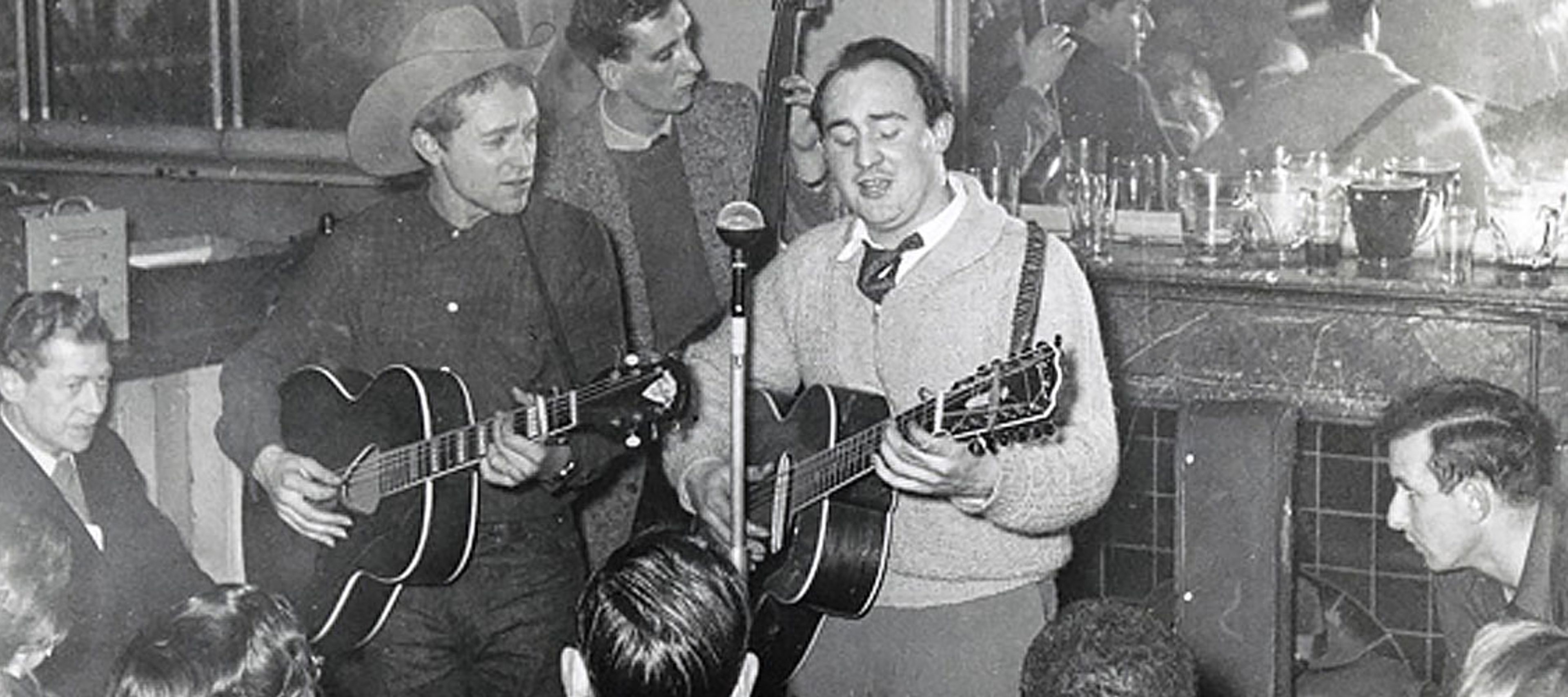
Central to this lesson is a comparison of Cliff Richard and the Shadows, as an example of early 1960s British popular music, with the Blues that a young person in the U.K. might have seen at an American Folk Blues Festival. Students will get a chance to consider what the Blues might have meant to musicians like Cyril Davies, Alexis Korner, and Long John Baldry, all key figures in the British Blues explosion.