
90 mins
The Atomic Bombing of Japan during World War II featuring Krzysztof Penderecki
How has music and art represented the history and consequences of the U.S. atomic bombing of Japan during World War II?
Essential Question
How has music and art represented the history and consequences of the U.S. atomic bombing of Japan during World War II?
Objectives
Know (knowledge):
- How art and music have responded to the U.S. atomic bombing of Japan
- Who decided to use atomic bombs for the first time in war during World War II
- Where the atomic bombs were dropped in Japan during the war
- How the bombings affected the people of Hiroshima and Nagasaki, and the outcome of the war
- The current status of atomic and nuclear weapons in the world
Mastery Objective
- Students will be able to explain the history and consequences of the atomic bombings during World War II by analyzing archival documents and images, defining terms, critically listening to music, and viewing art.
Background
In this lesson, students will examine the atomic bombing of Japan by the United States during World War II. In their examination, students will document and discuss how President Harry S. Truman came to the decision to use atomic bombs in war for the first time by analyzing contemporaneous newspapers. Students will also examine the development of the bombs and the consequences of the bombings by viewing videos. Additionally, students will explore the experiences of the Japanese people during and after the bombings by analyzing art and music created to represent that experience. In a culminating activity, students will share a summary of the knowledge they have acquired and consider the current status of nuclear weapons.
By the summer of 1945 the status of World War II had changed dramatically for the Allies - a military alliance consisting of the United States, the United Kingdom, and the Soviet Union (also known as “The Big Three”). Earlier that spring, Nazi Germany had been defeated by allied forces and then formally surrendered. With Germany’s unconditional surrender, the war in Europe concluded on May 7th of that year.
The war in the Pacific region, where the United States led the fight against Imperial Japan, continued. Japan was part of the Axis powers - another military alliance that had included Nazi Germany and Fascist Italy. Strategically, Japan was headed toward defeat due to dwindling war resources, numerous battle losses, and waning support of the Japanese public. However, Japanese forces continued to fight and Japan’s leadership refused to surrender.
In the United States, President Franklin D. Roosevelt had died in office in April 1945 and Vice President Harry S. Truman assumed the presidency, becoming the 33rd President of the United States. Later that year, from July 17th to August 2nd, President Truman attended the Potsdam Conference near Berlin, Germany to meet with the “Big Three” leaders and other strategic allies to discuss defeating Imperial Japan and the ending of World War II.
It was at the Potsdam Conference that President Truman was notified that an atomic bomb covertly developed by the U.S. had been successfully tested. The President referred to the weapon as “the most terrible bomb in the history of the world” and wrote that its use was “an awful responsibility that has come to us.” As Commander in Chief of U.S. armed forces, it would be President Truman’s sole decision whether to use the new weapon in World War II.
Prior to the conclusion of the Potsdam Conference, the attendees released the “Potsdam Conference Proclamation”. The proclamation provided a notice of terms and called “upon the Government of Japan to proclaim now the unconditional surrender of all the Japanese armed forces, and to provide proper and adequate assurances of their good faith in such action. The alternative for Japan is prompt and utter destruction.” Although the exact wording of how Japan’s leadership responded to the proclamation has been historically debated, Imperial Japan did not surrender.
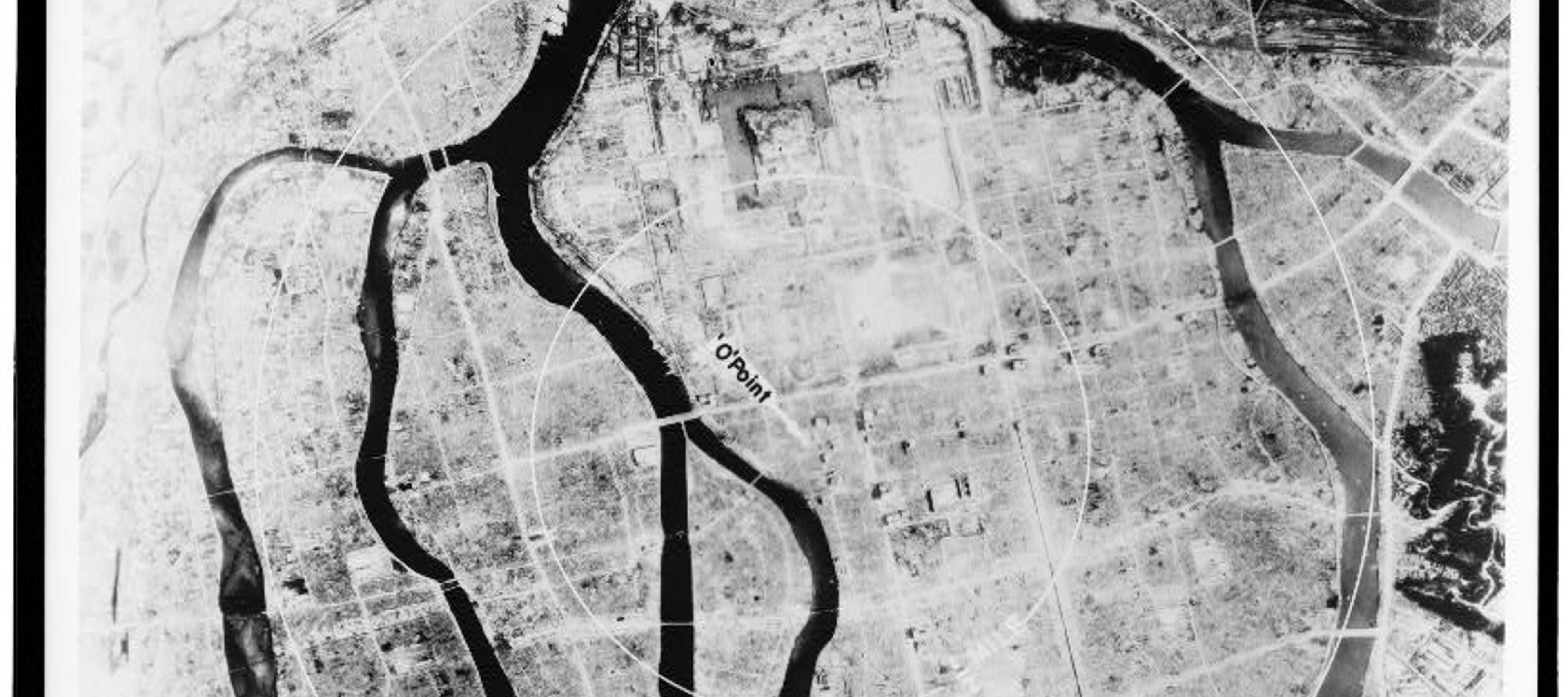
On August 6th 1945, the United States Army Air Force dropped the atomic bomb “Little Boy” over the city of Hiroshima. The explosive yield of the bomb was estimated to be equivalent to 15,000 tons of TNT. The explosion led to the deaths of an estimated 145,000 people by the end of the year and immediately destroyed five square miles of the city.
Following the bombing of Hiroshima, and without an unconditional surrender by Japan, the U.S. dropped a second atomic bomb over the city of Nagasaki on August 9th. That bomb was named “Fat Man” and its estimated explosive yield was equivalent to 21,000 tons of TNT. An estimated 140,000 people died by the end of the year due to the bombing and three square miles of the city were destroyed by the explosion.
Residents of Hiroshima and Nagasaki continued to suffer from the effects of the atomic bombings long after August 1945. Those individuals became known as the Hibakusha - “bomb-affected people”. Many hibakusha suffered from various forms of cancer in later years due to their exposure to the atomic bombings. Many locals referred to their illnesses as “atomic bomb disease”.
One of the hibakusha was Sadako Sasaki, a young girl from Hiroshima who was two years old when her city was bombed. Within a few years of the bombing, Sasaki became ill with leukemia. As her illness progressed, Sasaki was cared for in a hospital with other hibakusha. To lift their spirits, those in the hospital were provided with art materials to create origami cranes.
An ancient Japanese legend tells that by folding 1,000 of the origami crane bird, a person can make a wish to the sacred crane. Sasaki folded her cranes and at first she wished to become well again, but as her prognosis did not improve, she wished for peace in the world. Tragically, Sasaki died at the age of 12 but her legacy endures at the Hiroshima Peace Memorial and in the notion of origami cranes being symbols of peace.
The Polish composer Krzysztof Penderecki provided musical commentary to the atomic bombing of Hiroshima with his celebrated 1961 orchestral piece, Threnody to the Victims of Hiroshima. A threnody is defined as a song or poem of mourning created as a memorial to the dead. Penderecki’s piece musically provides a sense of the chaos, turmoil, and suffering of the Hiroshima bombing victims. The piece was composed as the atomic, or nuclear, arms race was exponentially increasing around the world, especially between the former allies turned adversaries - the United States and the Soviet Union. In the decades to come, nuclear weapon stockpiles would dramatically decrease but the danger of nuclear war is still very present today.
Disclaimers
This lesson contains primary source documents and other materials that may include terms and images reflecting the attitudes, perspectives, and beliefs of different times that today are considered offensive and demeaning. TeachRock does not endorse the views expressed in these documents, but recognizes the value such materials provide for historical inquiry. For guidance on introducing controversial historical materials into the classroom, we suggest reviewing this document from the Library of Congress.
Materials
- An internet accessible device for each student
Preparation
- Preview YouTube video, "Threnody to the Victims of Hiroshima (1959 - 61) (1994 Remastered Version)" to determine accessibility and how much of the recording students should listen to during the lesson.
- Preview Slideshow - Atomic Bombing of Japan to know that there is a graphic image of a child who has been severely injured by the atomic bombing of Japan in the slideshow.