
90 mins
The Beatles and American Segregation
How did the Beatles take a stand against segregation while touring America? And what did it mean for popular music culture?
Essential Question
How did the Beatles take a stand against segregation while touring America? And what did it mean for popular music culture?
Objectives
Know (knowledge):
- About segregation, Jim Crow laws in the American South, and the Civil Rights Act of 1964
- The complexities of race relations in 1960s America
- How The Beatles used their position to take a stand in relation to American segregation
- How The Beatles’ sound was influenced by African-American music
- About “Beatlemania” as a social and cultural phenomenon\
Be able to (skills):
- Make connections between popular music and the social and political environment in which that music is created
- Interpret how public reaction to popular music reflects the social norms and values of a particular historical era
- Analyze historical materials to better understand relationships between the past and present
- Make connections among political, legal and cultural developments
Background
In this lesson, students learn about the Beatles active stance against segregation and consider what the band’s example meant for an emerging youth culture.
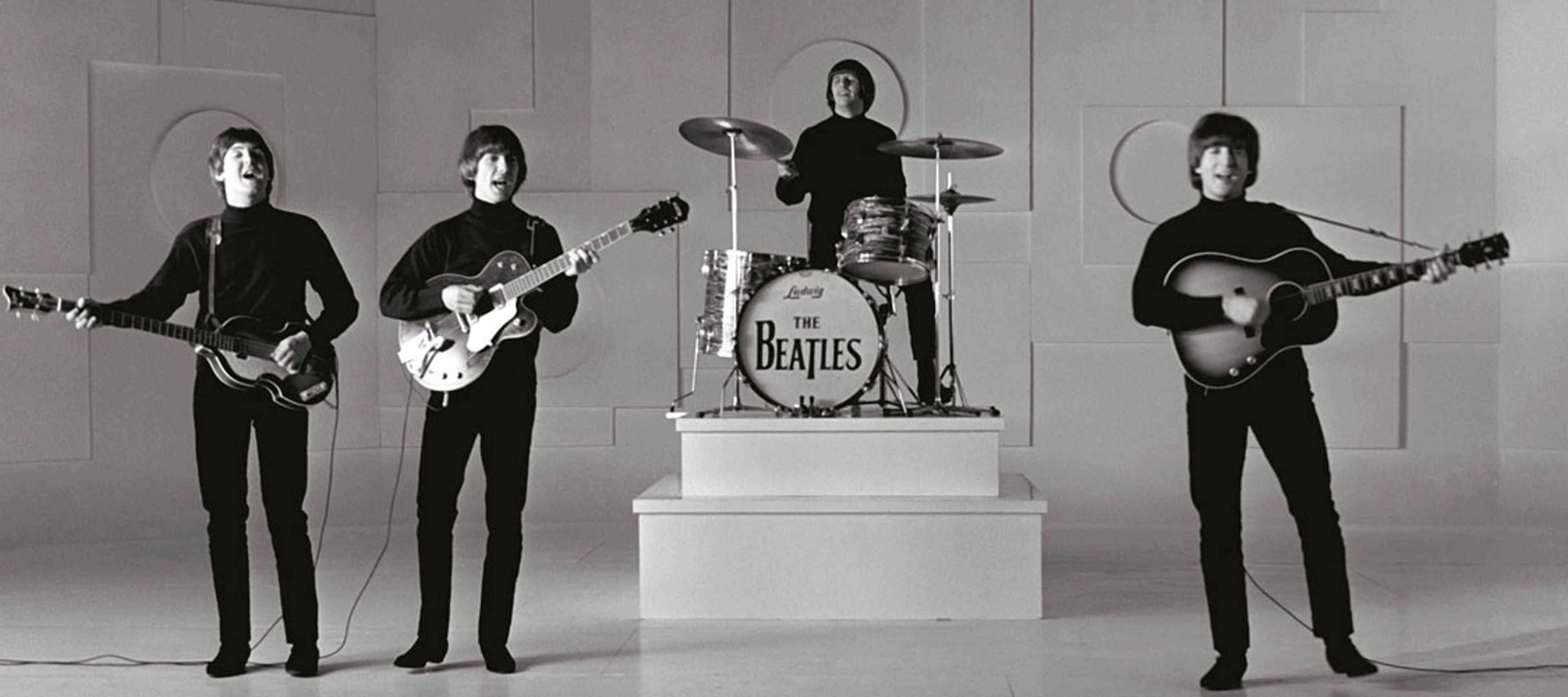
The members of The Beatles grew up in Liverpool in the north of England. From the time the band formed, they were students of African-American music, such as American Rhythm and Blues, Southern Soul, Motown, and more. The “covers” (songs not written but recorded by The Beatles) included on their early records were predominantly songs made famous by African-American artists. Likely because of this respect for African-American music and their opposition to segregation, when The Beatles toured America their contracts stated explicitly that they would not perform for segregated audiences. For those who saw the group as nothing more than a “teen phenomenon,” it was a lesson in how artists can stand up for their beliefs and help to change the world they live in.
Connected Themes
Artist(s)
Decade/Era