
90 mins
The Beatles and Teen Culture
How did the Beatles’ image as a “rock band” affect young people in America?
Essential Question
How did the Beatles’ image as a “rock band” affect young people in America?
Objectives
Know (knowledge):
- About the emergence of “the teenager” as a demographic phenomenon
- About changes in the perception of “youth culture,” including the Fair Rights Act of 1938 and “The High School” movement during the first half of the 20th century
- How economic development and social forces helped to create the concept of the “teenage” years between childhood and adulthood
- How American industries marketed to teenagers
- About generational shifts and the “generation gap” of the 1960s
- About The Beatles' impact on global popular culture and the “youth movement”
- About The Beatles’ effect on emerging “rock band” culture
Be able to:
- Recognize how economic and social forces shape perceptions of age
- Analyze the “cues” groups of people find in elements of popular culture
- Analyze source documents to draw conclusions about historical social movements
- Assimilate information from a timeline
Background
In this lesson, students learn about the impact of The Beatles on their teenage audience, particularly in relation to the group’s image as a “rock band.”
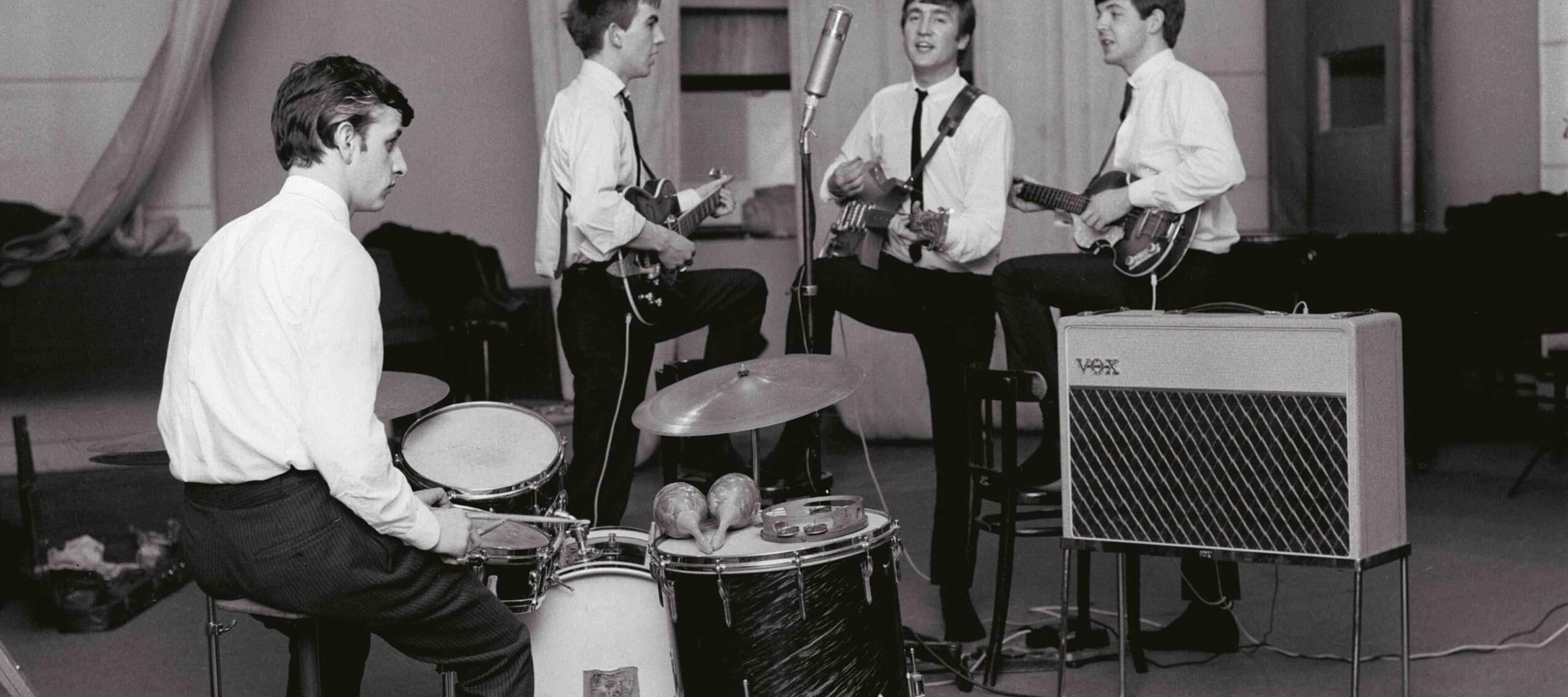
The “teenager” was a concept that changed the character of American life in the years following WW II. Where earlier many young people had gone into the workforce at an early age, now a post-war prosperity increased teenage leisure time and spending. The teenagers of the 1950s and 1960s experienced a new independence. When The Beatles “arrived” in America, particularly through their launch on The Ed Sullivan Show, young people saw something new: a pop act that seemed not like some distant, almost unreal entity, as Elvis Presley had, but a group, a gang, that seemed close, like peers. Theirs was an image that allowed the band member’s distinct personalities to emerge as much as it created a sense of the group as one. It appealed to young people, many of whom wanted to form their own such gangs. It was a moment of empowerment for teenagers. The Beatles were funny, smart, approachable, and capable of doing great things, particularly as a group. The day after the Ed Sullivan performance, rock bands popped up everywhere across the country.