
90 mins
Muddy Waters, the New Kid in Town
How did Muddy Waters’ music change after he moved to Chicago, and what does that say about the relationship between place and self-expression?
Essential Question
How did Muddy Waters’ music change after he moved to Chicago, and what does that say about the relationship between place and self-expression?
Objectives
Know (knowledge):
- The ways a person’s surrounding environment might influence their self-expression
- The range of emotions and stresses associated with being in a new place or trying a new activity
- About Blues musician Muddy Waters
- About the Great Migration of African Americans from the South to the North in the early and middle 20th century
Mastery Objective:
- Students will be able to draw connections between issues of self-expression and geographic place by analyzing key events in the life of Blues musician Muddy Waters.
Background
Have you ever moved to a new town? Or started a new job? Many of our younger students can identify with the emotions that arise when moving somewhere new, being the “new kid” amongst a group of friends, or even trying an activity for the first time. While such experiences may be discomforting, they can also offer opportunities for personal growth. Being exposed to new environments and new people provide us the chance to reflect upon our own sense of identity, and help us determine where exactly we “fit in” with the surrounding environment.
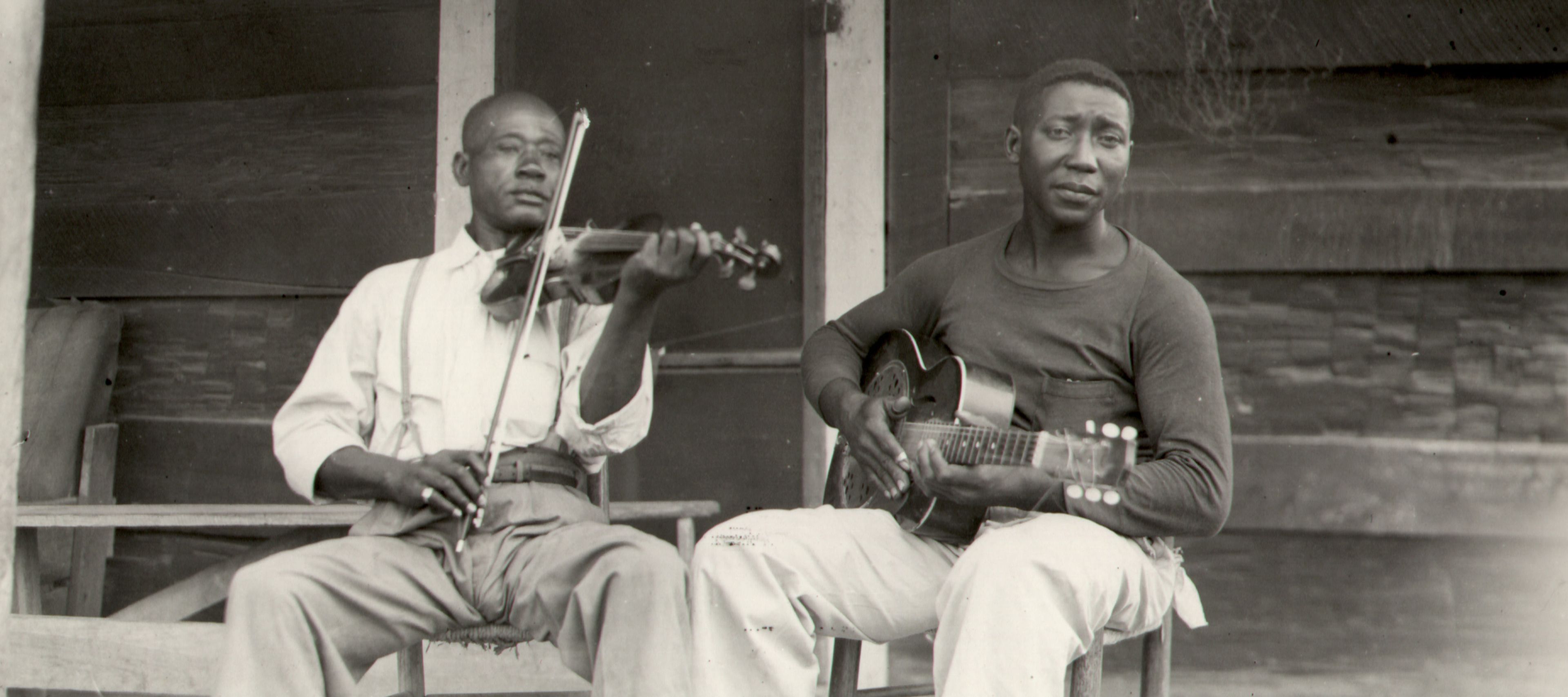
Without the opportunity of being exposed to a new environment, McKinley Morganfield might have never become the highly-influential musician we know today as Muddy Waters. In 1943, Waters left his home in rural Mississippi and headed north to Chicago. Following family members who had already made the trip, he hoped to find a sense of stability and prosperity in Chicago that eluded him in Mississippi.
Muddy Waters dreamed of being a musician in Chicago, but quickly discovered that the acoustic guitar he played on his porch back home wouldn’t cut it in the Windy City--it just wasn’t loud enough for Chicago bars and house parties. Moreover, Waters began to feel like the Blues he played in Mississippi was too “country,” and didn’t connect with the industrial and commercial dynamism of Chicago. So Waters plugged in, and began a music career as an Electric Blues musician in which he ultimately landed 14 recordings in the top ten of the Billboard R&B chart. Decades later, pianist Otis Spann introduced Waters as, “the man who brought the Blues from the country to the city.”
In this lesson, students follow the life journey of Blues musician McKinley “Muddy Waters” Morganfield, from his early beginnings in rural Mississippi to his music career in Chicago, Illinois. In learning about Waters’ life, students consider the ways new environments might inspire people to express themselves in different ways. Students then reflect on ways new experiences might have spurred their own personal growth by creating a life roadmap.