
90 mins
The Original “Going Viral”
Could a musical group “go viral” before the internet?
Essential Question
Could a musical group “go viral” before the internet?
Objectives
Know (knowledge):
- The idea of “going viral” and how something goes viral in contemporary society
- How the Grateful Dead provided a unique experience at every concert
- The effects of tape trading on The Grateful Dead’s “Deadhead” following
- How tape trading benefited The Grateful Dead financially through ticket sales
Mastery Objective:
- Students will be able to draw connections to how tape trading of The Grateful Dead’s live performances have similar characteristics to a video that has “gone viral” in contemporary society.
Background
Can a band with slow record sales, little radio airplay, and no number one singles ever become successful? Just ask The Grateful Dead.
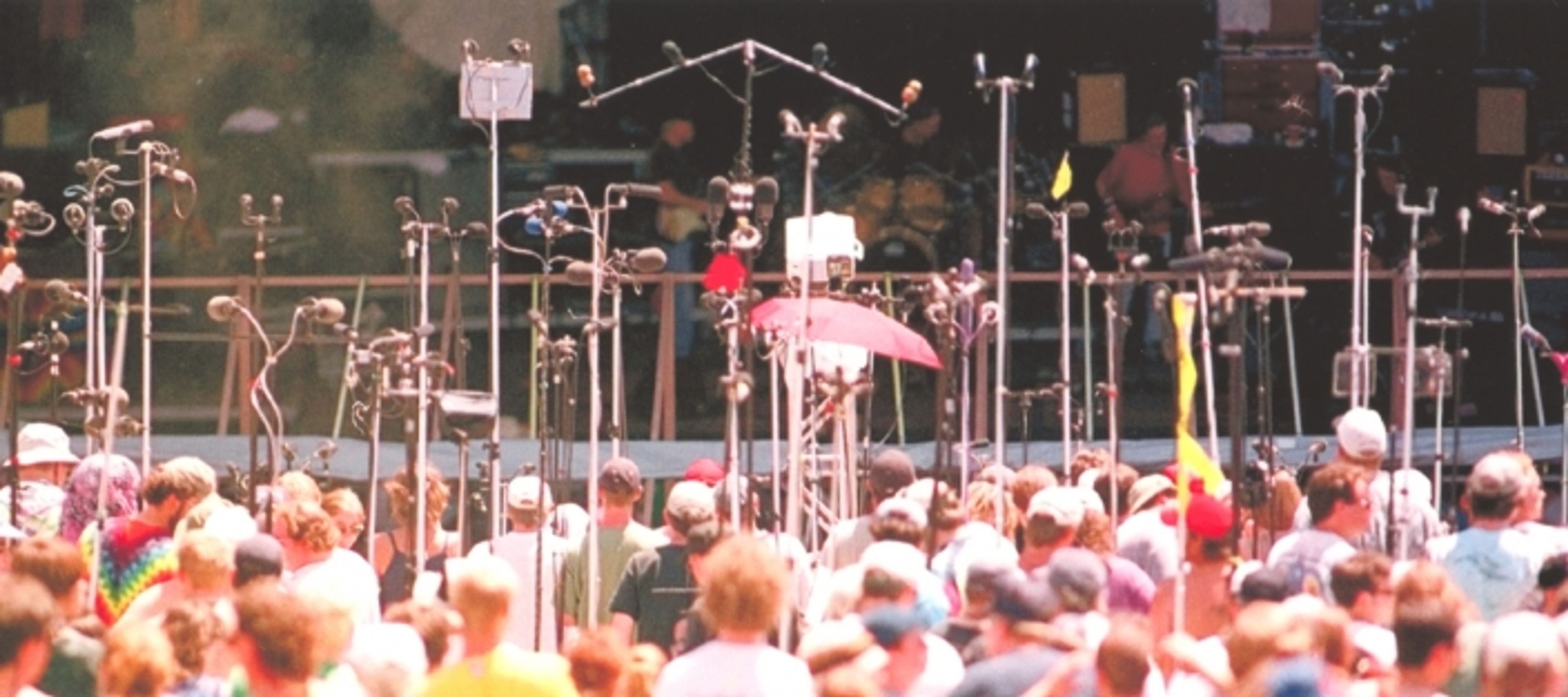
Born from the countercultural Haight-Ashbury neighborhood of San Francisco in the 1960s, the Grateful Dead eschewed music industry conventions for their entire career. They couldn't be bothered with posing for photographs or creating the short radio-friendly recordings considered essential to growing a band’s presence. Rather, the Grateful Dead devoted their energies almost entirely to live performance. They spent a small fortune developing a sound system that would deliver pristine sound quality to their audiences, and created a performance model that ensured each and every concert was unique.
This dedication to live performance over media appearances and studio albums proved enormously successful for the band. With an ever-changing set list and frequent on-the-spot improvisations, the Grateful Dead provided concertgoers with an experience that could not be replicated. And in response, fans kept coming back, knowing they would hear something new every concert. Soon, an entire fanbase known as “Deadheads” were following the band as they toured around the country, attending the concerts, night after night.
So passionate were the Deadheads, that they began religiously recording every concert they attended. Against the recommendations of managers and label executives, the Grateful Dead allowed this activity at concerts, and again, their decision proved beneficial. Fan-recorded cassette tapes were soon collected, traded, and passed along as social currency among fans, like audio business cards to new listeners. While official album sales might have been slow for a nationally touring Rock band, new audiences increasingly arrived at Grateful Dead concerts after hearing concert tapes, intrigued by what was soon becoming a cultural phenomenon. Fifteen years into their career the Grateful Dead had yet to penetrate the top 50 spots on the Billboard singles chart, but they were playing to arenas packed with devoted fans. Though the phrase had yet to be coined, the Grateful Dead had “gone viral.”
In this lesson, students explore what it means to “go viral” and consider the ways the Grateful Dead may have created a “viral” sensation before the internet age by viewing and discussing clips from Long Strange Trip and conducting a class brainstorming activity.