
90 mins
The Rise of the “Girl Groups”
Were the Girl Groups of the early 1960s voices of female empowerment or reflections of traditional female roles?
Essential Question
Were the Girl Groups of the early 1960s voices of female empowerment or reflections of traditional female roles?
Objectives
Know (knowledge):
- The musical contributions of important “Girl Groups,” including the Shirelles, the Crystals, the Chiffons, the Angels, and the Dixie Cups
- The significance of Betty Friedan’s The Feminine Mystique
- The growing economic power of teenage girls in the late 1950s and early 1960s
- Key events of the Women’s Rights movement of the 1960s and 70s
Be able to (skills):
- Analyze the lyrics of popular songs for meaning
- Link musical movements with the social and historical circumstances from which they emerged
- Evaluate what the music of the Girl Groups says about the roles of girls and women in the late 1950s and early 1960s
Background
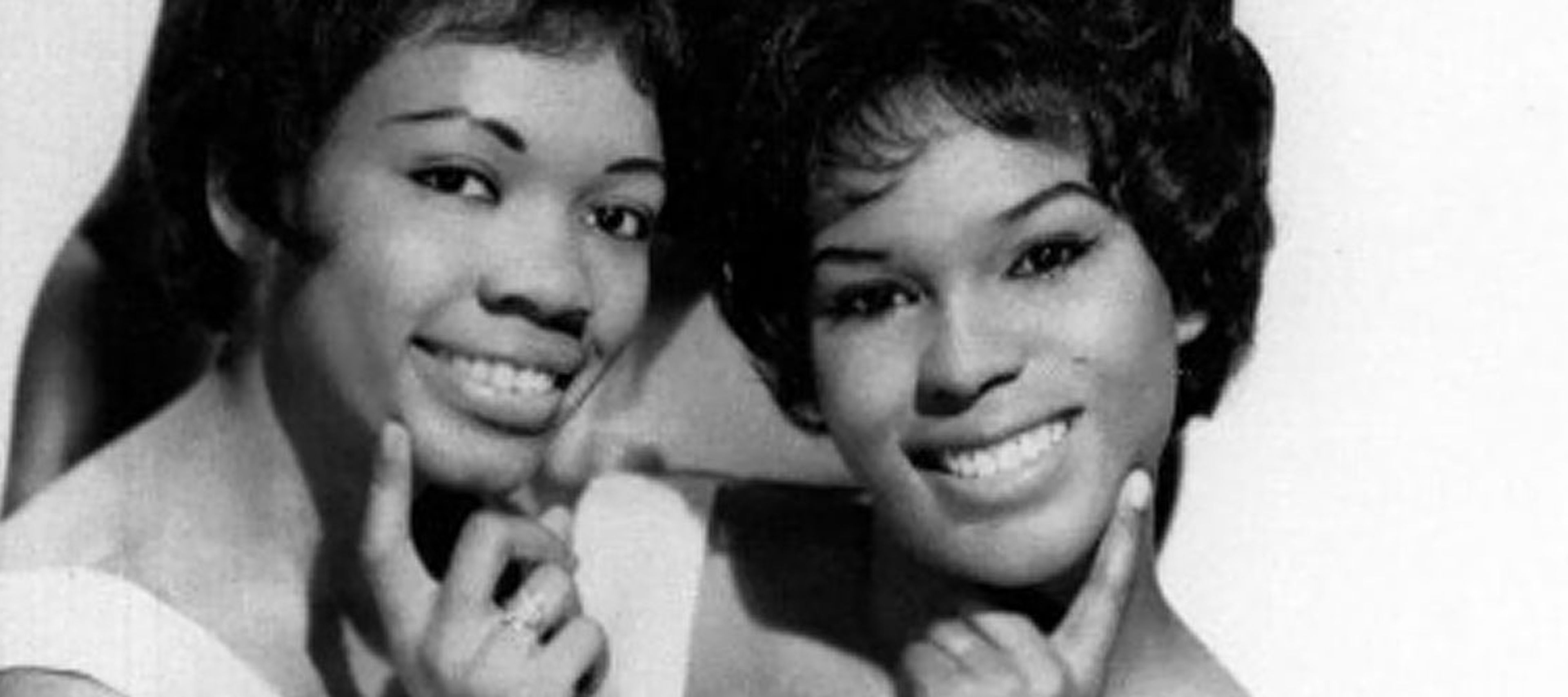
Tucked between the popularity of the early Rock and Rollers and the mid-1960s British Invasion was the phenomenon known as the “Girl Groups.” With names like the Bobbettes, the Shangri-Las, the Ronettes and the Chantelles, they offered a style rich in vocal harmonies that was eagerly embraced by a wide audience.
A number of Girl Group hit songs were co-written by female songwriters, including Carole King, Ellie Greenwich, Cynthia Weil, and Florence Greenberg (who also launched her own record label and whose life served as the basis for the 2011 Broadway musical Baby It’s You). If, up to that point, male voices and male songwriters dominated the popular music scene, things were changing. Rock and Roll had a new female sound that produced a string of hits.
The Girl Groups rarely if ever performed material they had written themselves and rarely if ever played the instruments featured on their recordings, a job left to male studio musicians. Lyrically, most of their songs -- from the Dixie Cups' “Chapel of Love” to the Angels' “My Boyfriend’s Back” -- focused on the males in their lives and the promise of a satisfying relationship with that perfect guy. But there was nonetheless something new at work: a female voice was emerging despite it all.
In this lesson, students will evaluate what the emergence of the Girl Groups says about the roles of girls and women in the early 1960s, as the nation sat on the threshold of a new Women’s Rights movement that would challenge traditional female roles. In 1963, Betty Friedan published The Feminine Mystique, widely considered a milestone in the emerging feminist movement – and it came at the peak of the Girl Groups’ popularity. Did the success of the Girl Groups signal a new female empowerment, under which girls and women could finally come out from the shadows of Rock and Roll and tell the world what was on their minds? Or did the very labels “Girl Group” and “girl singer” and the focus of so many of their songs on the search for the ideal man simply reflect the traditional domestic roles of women as wives and mothers?
Instructors can utilize the materials in this lesson in a variety of ways. It is written in the form of a Structured Academic Controversy (SAC), a teaching strategy similar to debate that focuses on students building consensus rather than on identifying a “winner” who has developed the more convincing argument. However, the instructor may easily use the materials in a more traditional debate format, or simply as the basis for a general class discussion.
Connected Themes
Decade/Era