
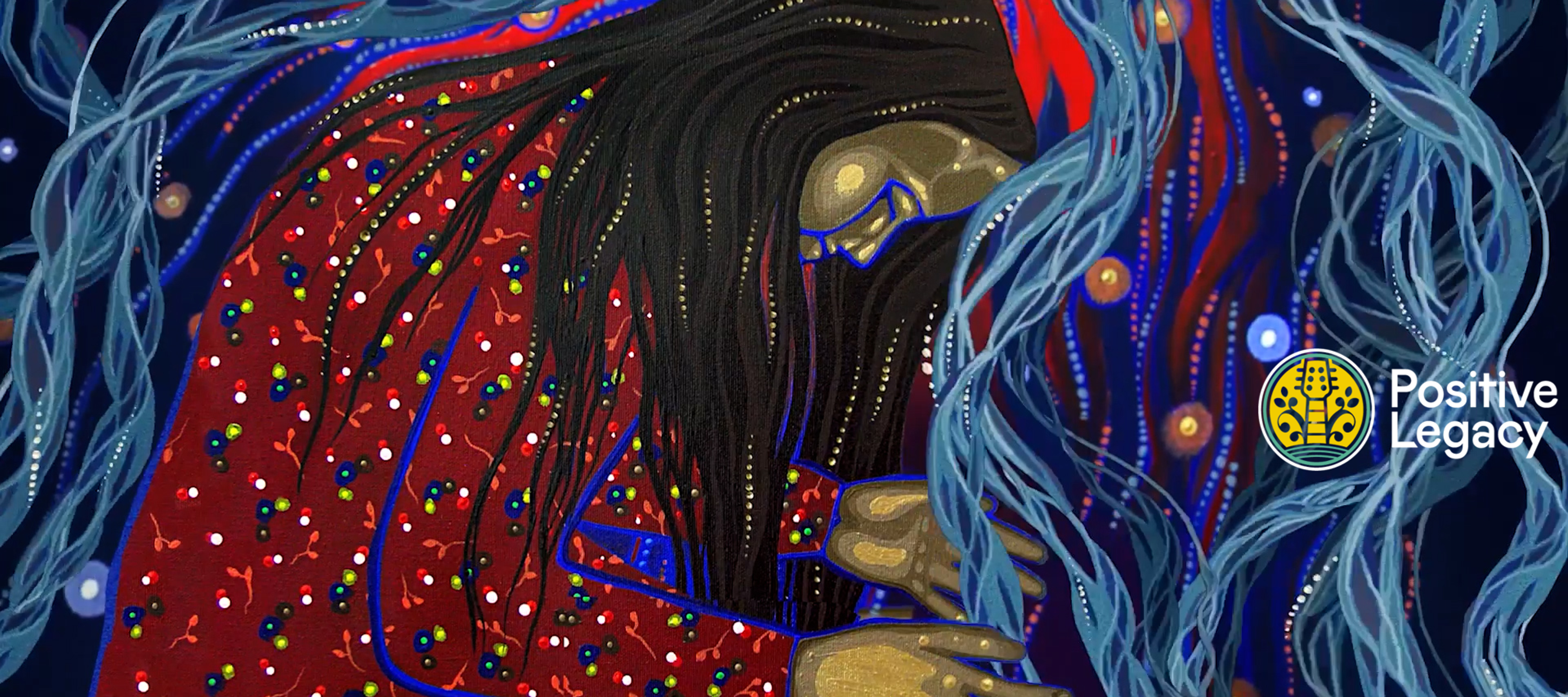
The Water Walker: Youth Activism and Art
How can young people use their voices and actions to advocate for environmental justice in their communities?
How to Use This Lesson
This is a Harmony Student Wellness lesson, a week-long, music-centered social-emotional learning lesson designed to be taught across multiple sessions, culminating in an arts-based project. This lesson can be taught in isolation or as part of the larger Harmony Student Wellness program. For more support on implementation, see the Implementation Guide on the program page.
Essential Question
How can young people use their voices and actions to advocate for environmental justice in their communities?
Objectives
Mastery Objective
- Students will be able to analyze perspectives from Indigenous movements for environmental justice and identify the roles of personal agency and art in creating change.
Day 1 - Students will:
- Watch a clip from The Water Walker: Water as Medicine
- Define environmental justice
- Learn about the Anishinaabe people’s perspective on water
Day 2 - Students will:
- Watch a clip from The Water Walker: Introducing Autumn Peltier
- Learn about a young girl tasked with a responsibility to her community
- Consider how people, including young people, can advocate for their needs
Day 3 - Students will:
- Watch a clip from The Water Walker: Autumn Peltier Speaking at UN
- Learn about Autumn Peltier’s speech to the UN
- Consider how decisions today impact future generations
Day 4 - Students will:
- Listen to “Stand Up/Stand N Rock” by Taboo
- Learn about another effort to protect communities from environmental damage
- Consider how art and music can impact a movement for environmental justice
Arts-Based Activity - Students will:
- Reflect on environmental justice, agency, and the role of art
- Choreograph dances to go with the lyrics to “Stand Up/Stand N Rock”
Background
In this lesson, students will recognize that inequities and community needs may come in the form of environmental justice and how the actions of Josephine Mandamin “The Water Walker” encouraged younger people to work for environmental justice. Students will recognize the agency young people have to address community needs and the courage it takes to hold powerful people accountable for community needs by learning about Autumn Peltier. They will analyze the effects of speeches and describe the emotions around advocacy work. Students will also examine the power of art within a social justice movement.
Materials
Required for all lessons:
- Student Journals
- Art Supplies
Arts-Based Activity:
Slides
Connected Themes
Monthly Theme
SEL Competency
SEL Subskill(s)