
90 mins
Toby Keith & The Chicks: Songs and Words During the War on Terror
What were the different reactions to songs and comments by Country musicians about the September 11th terrorist attacks versus the Iraq War?
Essential Question
What were the different reactions to songs and comments by Country musicians about the September 11th terrorist attacks versus the Iraq War?
Objectives
Know (knowledge):
- The events that led to the Iraq War
- The definitions of “Patriotism,” “Chauvinism,” and “Jingoism”
- How feelings of anger and revenge from the September 11th attacks were expressed by Toby Keith in his song, “Courtesy of the Red, White and Blue (The Angry American).”
- How The Chicks experienced backlash due to their comments opposing the Iraq War
- How The Chicks responded to the backlash with the song "Not Ready to Make Nice"
- Why there were different reactions to Toby Keith’s song versus The Chicks’ comments opposing the Iraq War
Mastery Objective:
- Students will be able to identify the different reactions to songs and comments about the September 11th terrorist attacks versus the Iraq War by reviewing charts and maps, watching video clips, examining lyrics, and participating in group discussions and activities.
Background
In this lesson, students compare and contrast reactions to Toby Keith’s song “Courtesy of the Red, White and Blue (The Angry American)” and Natalie Maines of The Chicks’ comments opposing the Iraq War. Students will then consider why public reactions differed, and describe how The Chicks responded to the reaction they received.
The terrorist attacks on September 11, 2001 sent the United States reeling. As the nation absorbed and responded emotionally to the tragedy, songwriters soon began reflecting what many in the country were feeling. Within Country music, a variety of songs expressed a range of emotions. A particularly popular song in the genre was Toby Keith’s “Courtesy of the Red, White and Blue (The Angry American).” Keith’s lyrics were delivered through a menacing vocal performance that seethed with rage and plotted revenge. The tune’s visceral vibe connected with many Americans and represented a rallying cry for retaliation.
In response to the September 11th attacks, the U.S. launched military airstrikes in Afghanistan on October 7, 2001. Known as Operation Enduring Freedom, the mission was to oust Al-Qaeda terrorist groups from the country and remove the Taliban-led Afghanistan government from power. Al-Qaeda had claimed responsibility for the attacks in the U.S. and the Taliban was an Islamic fundamentalist political organization that had gained control of the Afghanistan government and provided safe harbor for Al-Qaeda within the nation’s borders. A large majority of Americans supported the U.S. government’s military response. The war with Afghanistan has become the longest war in United States history, spanning 19 years. It continues to this day.
By September 2002, the Taliban government in Afghanistan had been driven from power and Al-Qaeda had been displaced in the region. U.S. President George W. Bush’s administration then moved to invade Iraq and overthrow the government led by President Saddam Hussein. On the unsubstantiated premise that the Iraqi regime had a clandestine relationship with Al-Qaeda and was stockpiling various types of weapons of mass destruction (WMD), the Bush administration vociferously argued that the Iraqi government was an imminent threat to U.S. national security, American allies in the region, and peace around the world. This argument, and the evidence to support it, was heavily criticized by numerous organizations and foreign governments, including the U.S. Congress’ 9/11 Commission, the United Nations, and many U.S. allies abroad. No WMD were ever found in Iraq.
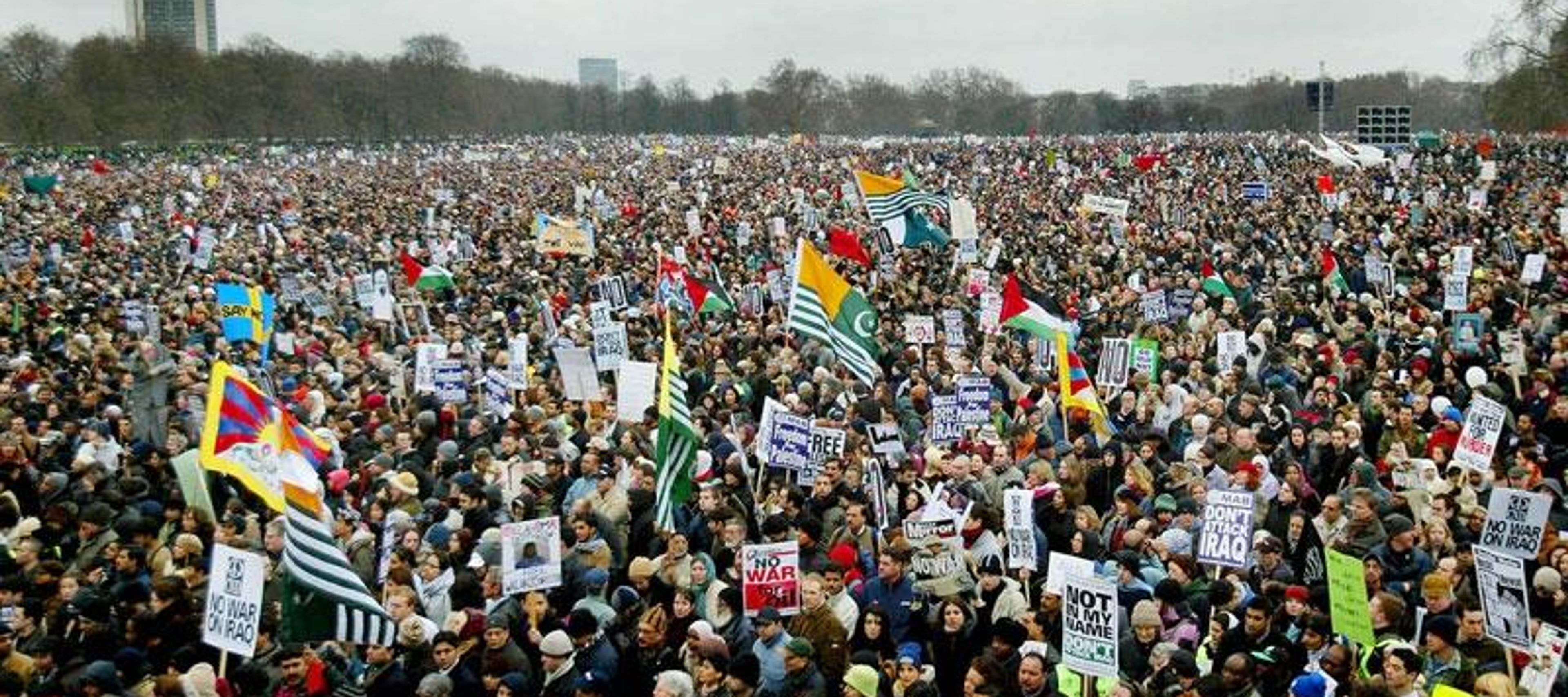
While a large majority of Americans supported invading Iraq and going to war with the nation, a significant number of Americans did not. Protests began occurring around the country and in other nations. On February 15, 2003, anti-war rallies across the globe became the largest protest event in human history. Shortly before the U.S. invaded Iraq in March 2003, the Country music group The Chicks were performing a concert in London, England. During the concert, band member Natalie Maines told the crowd that the band did not support the looming Iraq War and “were ashamed that the President of the United States is from Texas,” - noting both the band’s and President Bush’s home state.
The response to Maines’ comments was immediate and explosive. Politicians, members of the news media, the Country music industry, and even fans of the band responded angrily and aggressively. Protests erupted where physical copies of The Chicks’ albums were publicly destroyed. The band received biting criticism, often laced with overtones of misogyny, and in some cases, threats of violence.
Messages of support for The Chicks’ right to express themselves did come from musicians Bruce Springsteen and Madonna. Country legend Merle Haggard lambasted the backlash, mentioning the loss of lives in previous wars and noting that Maines had simply been voicing an opinion. Haggard’s support was particularly noteworthy since his song “Okie from Muskogee” had been co-opted as an anthem for those opposed to the anti-war movement during the Vietnam War.
While the group was taken aback by the scale and viciousness of the reaction, they soon responded in song. Released in 2006, “Not Ready To Make Nice” summarized The Chicks’ feelings about what they had endured. It was a critique on the cruelty they had received and a statement about where the band stood.
In many ways, the community conflict that emerged out of the September 11th attacks and the Iraq War are characterized in Toby Keith’s tribalistic tune, the backlash towards Natalie Maines’ remarks, and the societal commentary the Chick’s provided in their song. The events provide an opportunity for students to examine and explore how feelings of anger, revenge, and frustration were expressed in a variety of ways during a tumultuous time in recent history.
Disclaimers
Note: this lesson contains words and imagery that may be considered disturbing or offensive. Teacher discretion advised.
Slides
Connected Themes
Artist(s)
Genre(s)
Decade/Era
Monthly Theme