
90 mins
Westward Expansion and Country Music's Hispanic Influence
What was Westward Expansion, and what effect did it have on American Popular music?
Essential Question
What was Westward Expansion, and what effect did it have on American Popular music?
Objectives
Know (knowledge):
- The timeline for Westward Expansion, from the 1840s to the early 1900s
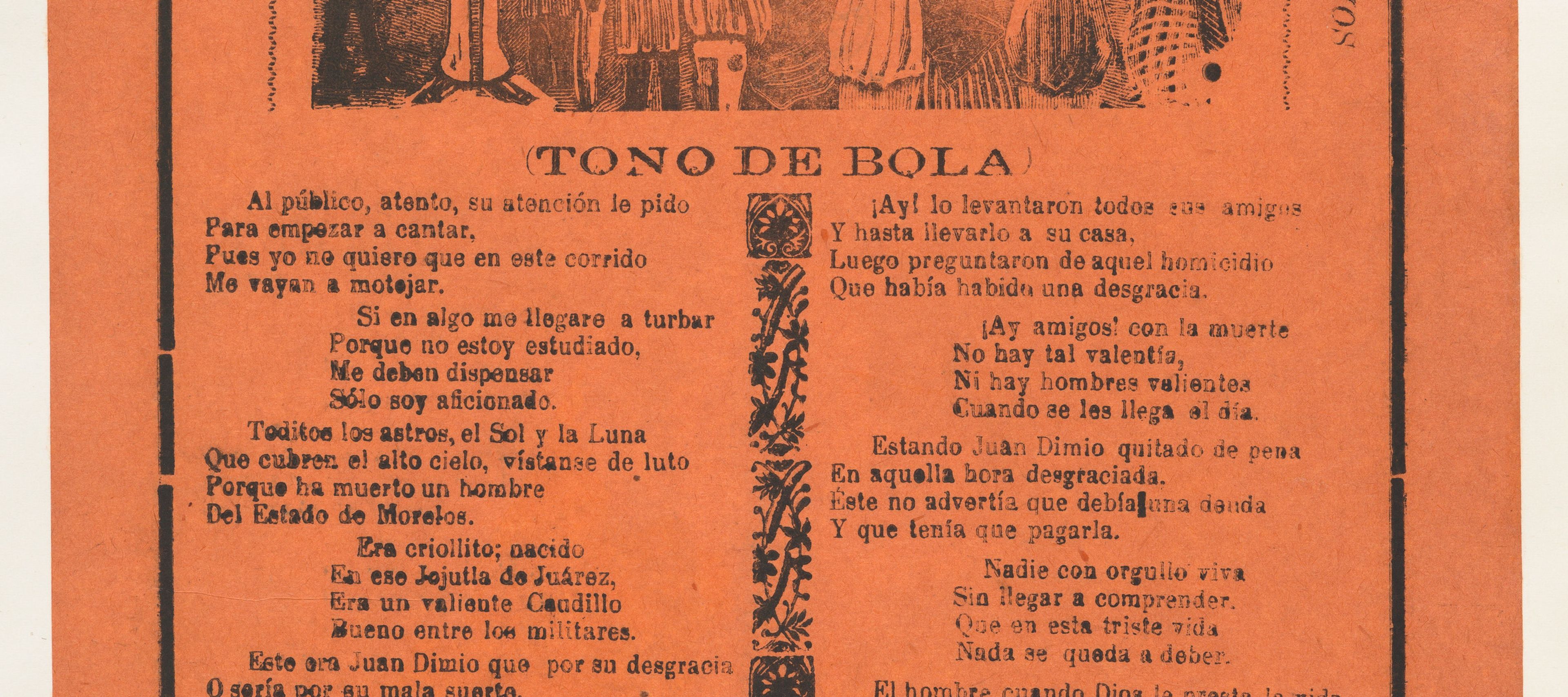
- Country music is inspired in part by corridos, a centuries-old singing tradition in Mexico
- The annexation and purchase of territory after the Mexican-American war led in part to Westward Expansion
- The Homestead Act of 1862 further incentivized citizens to move and develop agricultural land in the Western United States.
- The process of Westward Expansion was justified by the philosophy of Manifest Destiny
- Westward Expansion resulted in close and often violent contact with Hispanic and Native peoples, which influenced American musical culture
Mastery Objective:
- Students will be able to describe Westward Expansion, what made it possible, and its effects on popular music in the United States.
Background
In this lesson, students will investigate Westward Expansion and the role it played in developing Country music by watching video clips, listening to music, reading personal testimonies, and comparing the lyrics and form of Mexican corridos and Country music.
On February 2, 1848, in the Villa de Guadalupe Hidalgo, the countries of the United States and Mexico signed the Treaty of Guadalupe Hidalgo. The treaty signaled the end of the almost two year war between the countries. As part of Mexico’s surrender, the United States annexed what is today most of Arizona, Nevada, and California.
Just a month before the treaty was signed, carpenter James W. Marshall discovered traces of gold in a stream while constructing a mill in Coloma, California. Word inevitably spread of Marshall’s discovery, and Northern California, newly acquired from Mexico, was inundated with fortune seekers - and following them, laborers from China and Mexico. Thanks to the Gold Rush, San Francisco grew from a settlement of 1,000 to a bustling city of 25,000 residents in just two years. Thus began a half-century period of Westward Expansion, as American citizens in the east began moving further west.
To reach California, fortune seekers crossed what was then known as "The Great American Desert" - the land east of the Rocky Mountains and west of the 100th meridian. Yet, as the California Gold veins dried, this seemingly barren “Great American Desert” became a new site for exploration and agricultural development.
With fortunes to be made from agricultural products rather than gold, the U.S. Government enacted the Homestead Act of 1862, which permitted U.S. citizens to buy plots of 160 acres for small fees, if they lived on them for five years. By 1878, these allotments increased to 1,280 acres of land.
Westward Expansion was not only spurred by economic incentives. Journalists, novelists, and showmen such as Frederick Jackson Turner, Horace Greeley, John O’Sullivan, Owen Wister, and Buffalo Bill Cody helped romanticize Westward Expansion. This romanticization reached its peak with the concept of Manifest Destiny, which insisted it was the U.S.’s God-given destiny to cultivate the West.
The period of Westward Expansion in the second half of the 1800s radically changed the demographics of the American West – largely because it led to the forced migration of Native Americans from their ancestral lands. Through a long history of broken treaties and outright violence, the U.S. Government forcibly relocated Indigenous people throughout the West onto reservations. Native American leaders such as Little Crow, Black Kettle, Crazy Horse, Sitting Bull, and Geronimo resisted, and remain symbols of Indigenous resistance against efforts by the U.S. Government to eradicate native lands, people, and traditions.
The American West was also home to people of Mexican descent, and much of the romanticization of the West was inspired by Hispanic culture. The cowboy - perhaps the exemplary symbol of the romantic, dangerous life in the west - was in fact a translation of the Spanish vaquero- a horse mounted livestock herder. So too was the music often termed “Western” (later “Country Western” and then simply "Country") a product of Hispanic culture. The common form of the “Cowboy Ballad” in Country music carries deep connections to the Spanish corrido - a ballad form traditionally sung to share news and preserve history in Mexico. By the 20th century, iconic Country and Folk music singers such as Woody Guthrie, Linda Ronstandt, Marty Robbins, and Townes Van Zandt paid homage to corridos in their music, while groups such as Los Tigres del Norte and Arsenal Efectivo keep the tradition alive.