
90 mins
New Perspectives on The Great Gatsby's Daisy Buchanan
Explores Daisy's character through cultural context, fostering critical thinking and empathy.
Essential Question
Does Lana Del Rey’s “Young and Beautiful” help humanize Daisy Buchanan of The Great Gatsby?
Objectives
Know (knowledge):
- Indirect and direct characterization of Daisy Buchanan in The Great Gatsby
- Cultural values and expectations related to gender in the 1920s
- Lana Del Rey’s Gatsby-themed song “Young and Beautiful”
Mastery Objective:
- Students will be able to develop their own characterization and opinion of Daisy Buchanan supported by quotes from The Great Gatsby, the song “Young and Beautiful” by Lana Del Rey, and advertisements from the 1920s.
Background
In this lesson, students will compare Lana Del Rey’s “Young and Beautiful” with chapters 1-7 of The Great Gatsby to form their own characterization of Daisy. Students will view the music video for “Young and Beautiful” and analyze advertisements and headlines from 1918-1922 to consider the potential influence of imposed cultural values and expectations on women like Daisy as they relate to gender, class, and race. Finally, using excerpts from the novel, the song, and the advertisements, students will work in groups to create an identity chart for Daisy.
In F. Scott Fitzgerald’s 1925 novel, The Great Gatsby, Daisy Buchanan--wife, mother, girlfriend, individual--is a controversial character. Described as a young and beautiful socialite hailing from “old money,” Daisy is a woman of the roaring 1920s. She is repelled by the thought of being a quiet homemaker, and often chooses to follow her heart. But her actions demonstrate a disregard for the well-being of others, including Jay Gatsby, her husband Tom, and even her daughter, Pammy. Though her character has often been accused of being shallow, or even villainous, that is not the only possible reading.
The character of Daisy Buchanan is almost 100 years old. When she was imagined by Fitzgerald in 1925, women were not permitted to vote. They were not even allowed to open a bank account without their husband’s signature. Given such circumstances, how might we reevaluate Daisy Buchanan’s character from a 21st century perspective?
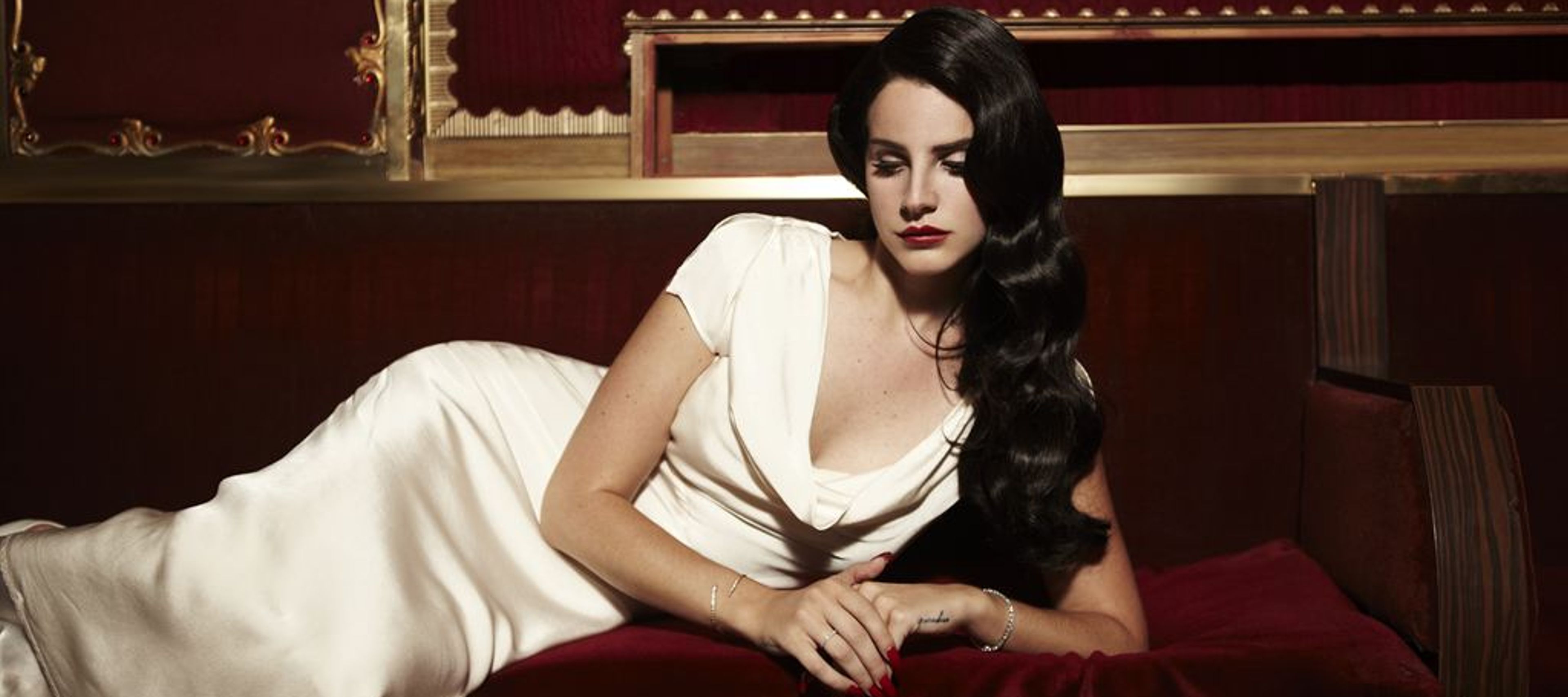
Lana Del Rey’s 2013 hit song “Young and Beautiful,” written to accompany the 2013 film production of The Great Gatsby, grants such an alternative, more modern view of Daisy Buchanan. Composed and performed from the perspective of Daisy, the song depicts the character as vulnerable and longing for the type of long-term unconditional love that might remain after her youth and beauty is gone. Rather than a shallow, self-serving character, Del Rey presents Daisy as a young woman who is afraid she will be used and then disposed of.
While Del Ray’s perspective is fresh and exciting, does it serve the text? Considering the decisions Daisy makes throughout the novel, one may ask: does Daisy deserve sympathy? And, considering the imposition of the cultural values, gender role expectations, sexual orientation and sexuality norms of the 1920s, is Daisy a victim, a perpetrator, or a product of her time?
Connected Themes
Artist(s)
Genre(s)
Decade/Era
Monthly Theme