
Music and Social Movements
Discover how Rock and Soul music played in part in social movements in the 1960s.
Overview
Like all genres of music, Rock and Soul incorporates more than just the notes you hear: it represents a vast culture made up of not just fashion, dance, and art, but also shared dispositions and attitudes. And more often than not, it is these aspects of musical movements – not the music itself – that presents the greatest threat to the status quo, and those eager to maintain it.
As the first unit demonstrates, Rock and Soul were counter-cultural since their origins. In response to Rock and Soul music, young people began dancing, dressing, and acting in ways that shocked those in power. Many literally crossed racial and social boundaries as both an act of love for the music and an act of rebellion against those trying diminish it.
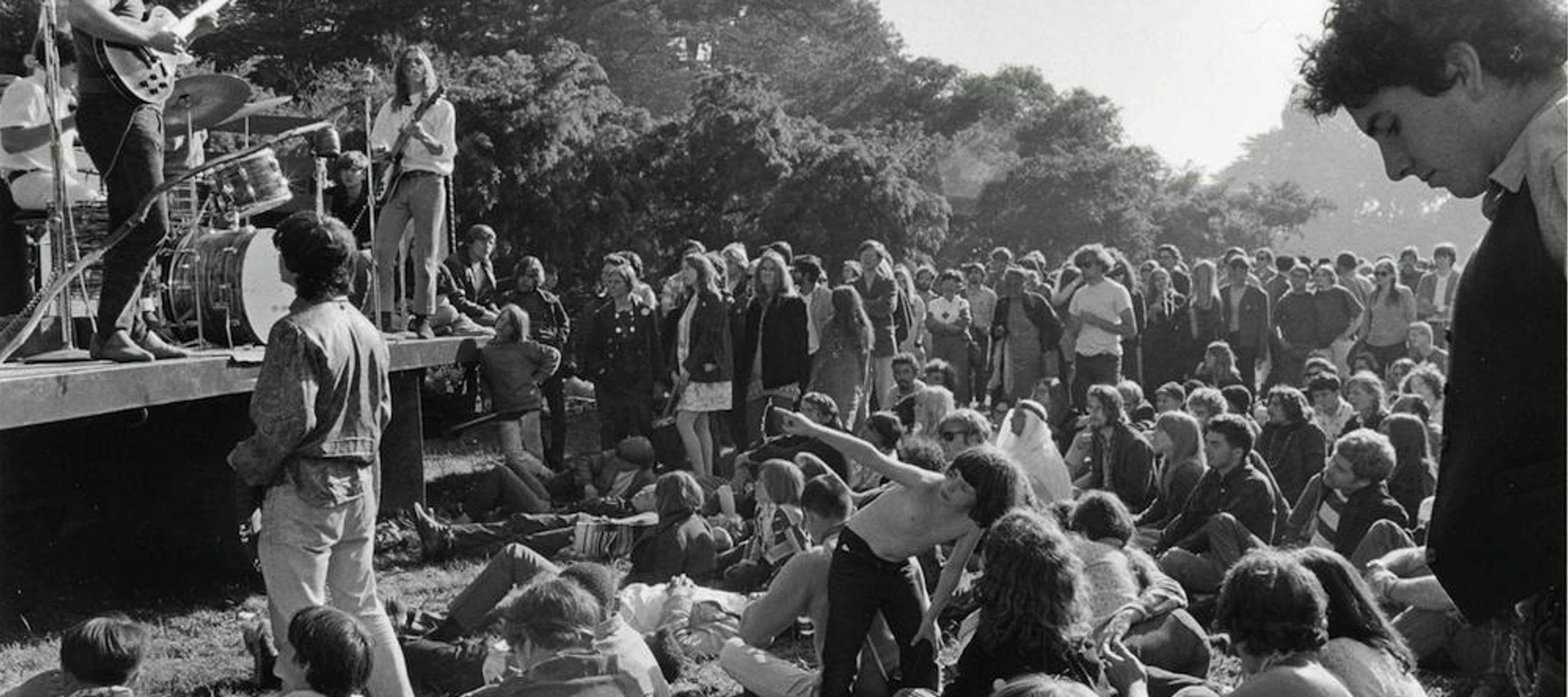
A decade later, Rock and Soul not only remained counter-cultural, but perhaps became even more confrontational. In festivals, events, and “happenings” like the Summer of Love and Woodstock, music fans openly started experimenting with other forms of living and communing. Musicians wrote increasingly political lyrics, exposing Americans to the horrors of the Vietnam War and the injustices faced by marginalized people at home. The response was harsh, culminating in McCarthyist witch hunts and blacklist campaigns against any artist perceived as speaking out a little to loudly against those in charge.
This unit examines the role Rock and Soul music played in various movements and campaigns in the 1960s – from Women’s Liberation to the American Indian Movement to the Anti-War movement – as well as more generally the countercultural spirit which Rock and Soul in the decade evoked.
Themes
Topics
Decade/Era